excerpt:
15 Artists About to Dominate 2015
By Holly Howe on complex.com
Jan 12, 2015
Last November, Christie’s auction house in New York grossed the highest amount ever for a contemporary auction—$852.9 million across 75 lots. 319,000 people visited the Jeff Koons retrospective at the Whitney before the museum closed its doors to move to its new home in New York’s Meatpacking District. Another 110,000 visited the Serpentine Galleries in London to hang out with Marina Abramovic as she spent 512 hours in the gallery. Miley Cyrus and André 3000 jumped on the art band wagon at Art Basel Miami Beach last month; she brought her “Dirty Hippie” exhibition at the Raleigh Hotel with a performance while he exhibited the jumpsuits he had worn on the Outkast Festival Tour.
But what’s next? What will get the art hacks and celebrity commentators tongues wagging this year? How can you get a piece of the multi-billion dollar industry that is the art world? Here are our picks of 15 Artists About to Dominate 2015.
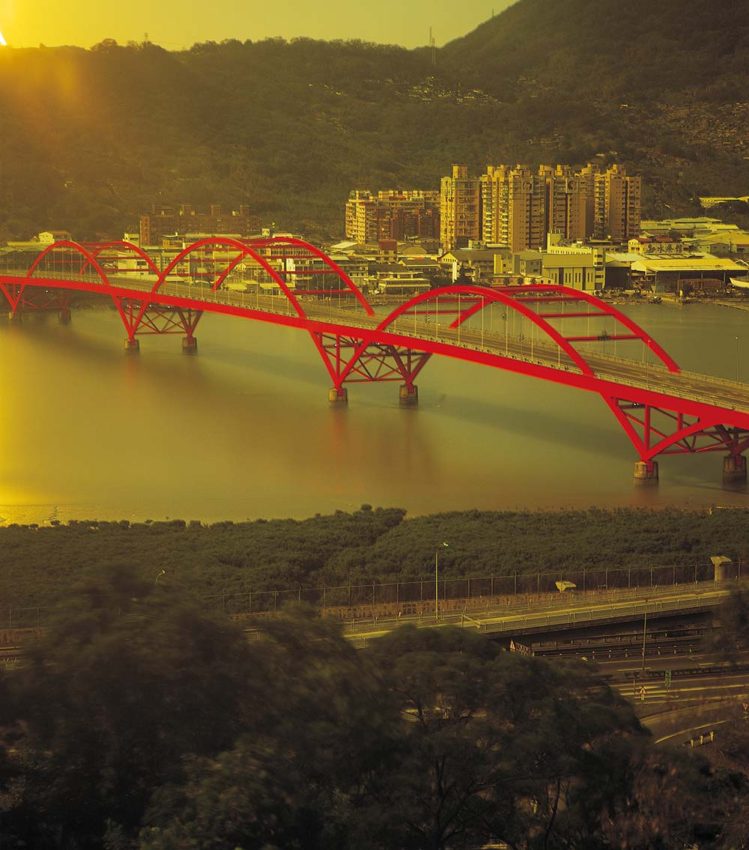
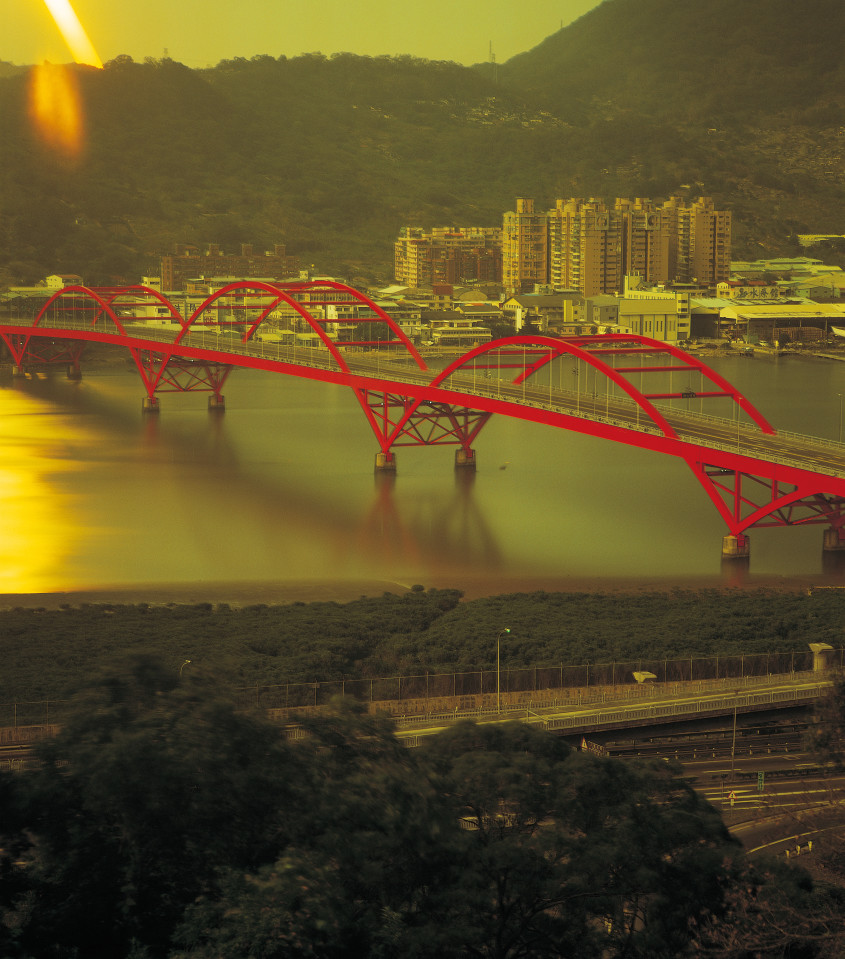
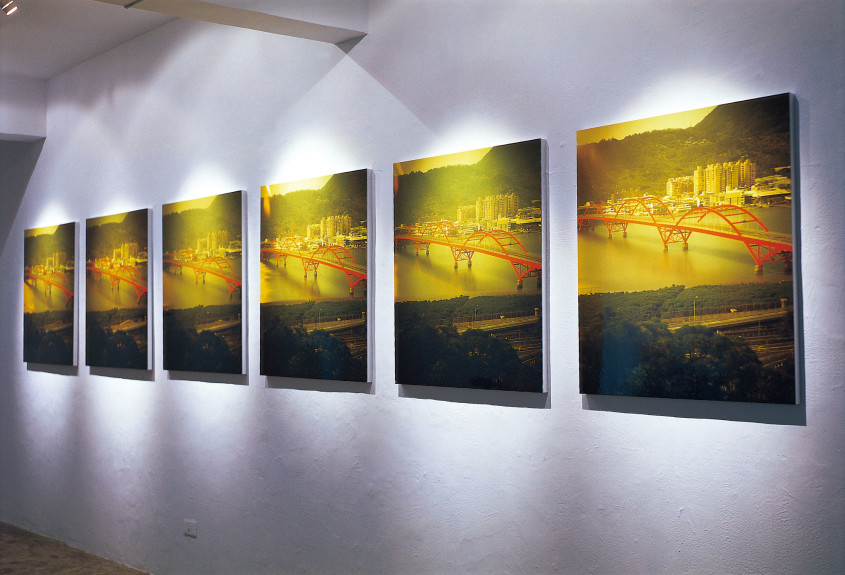
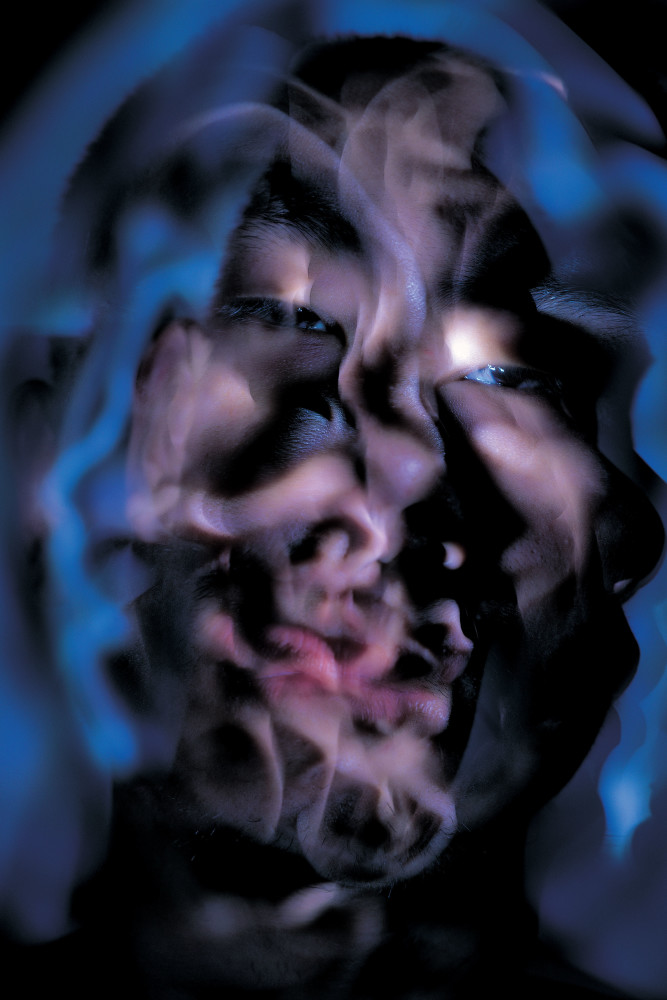
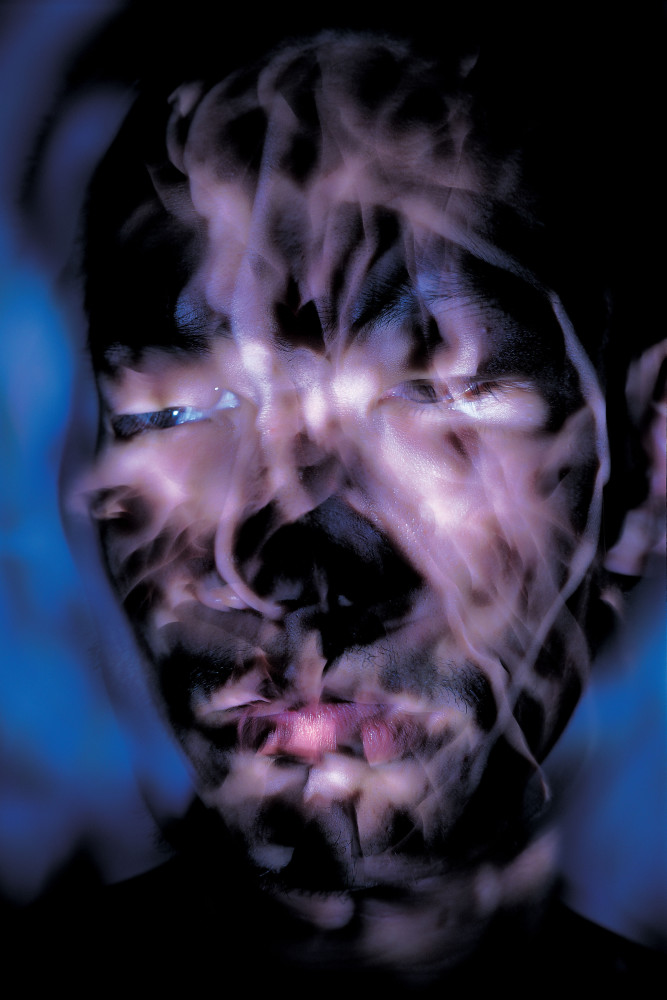
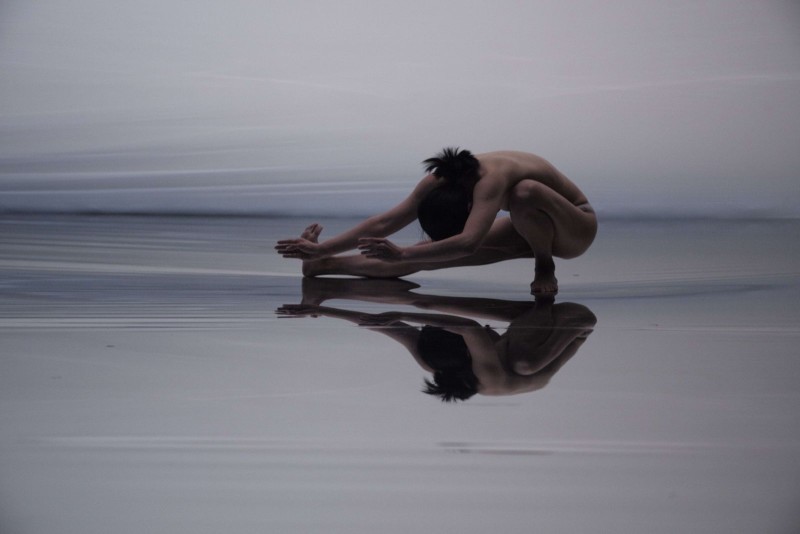
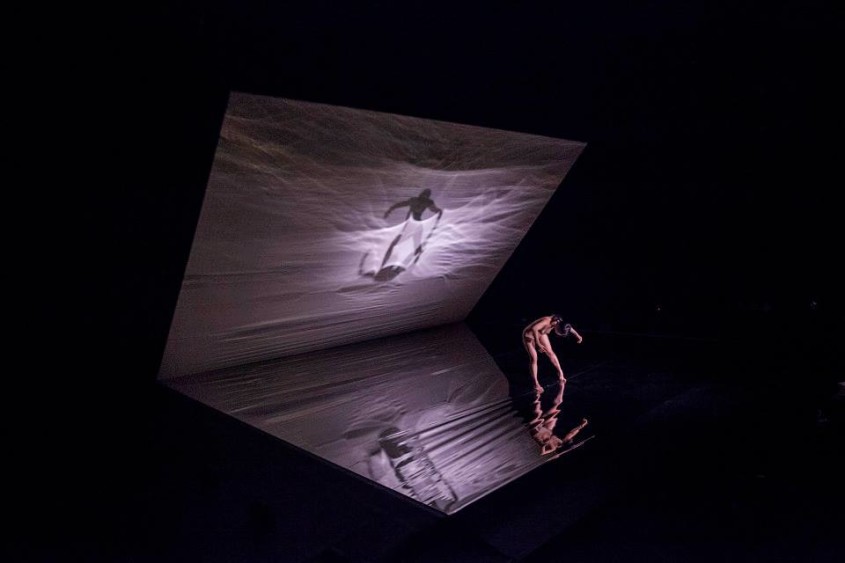
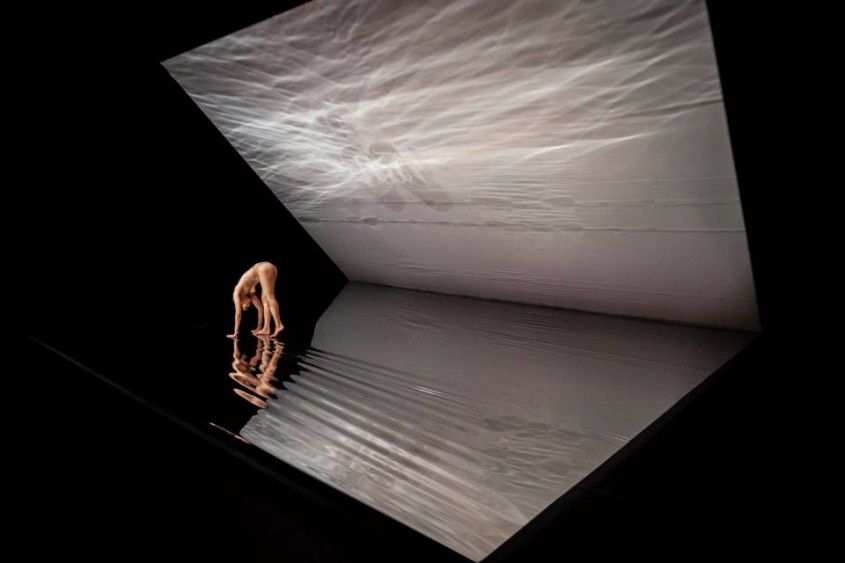
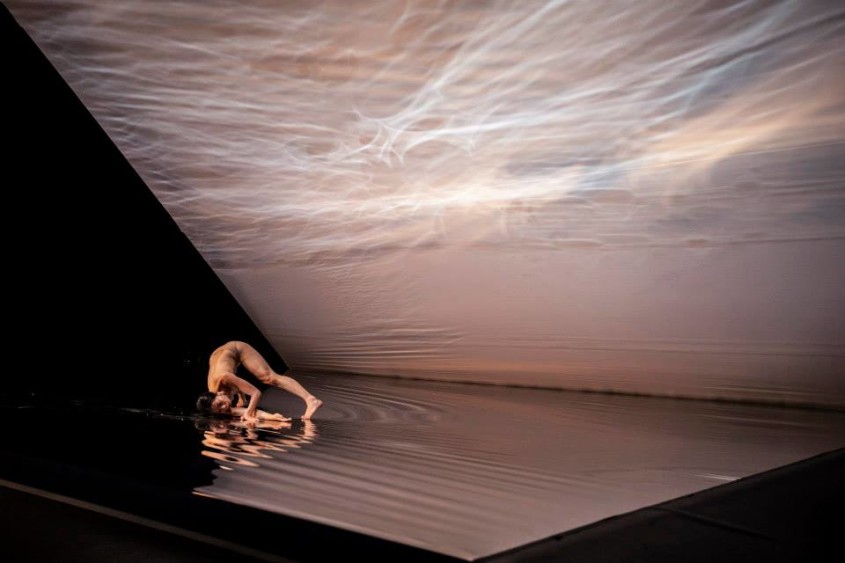
Wu Chi-Tsung
Location: Taipei, Taiwan
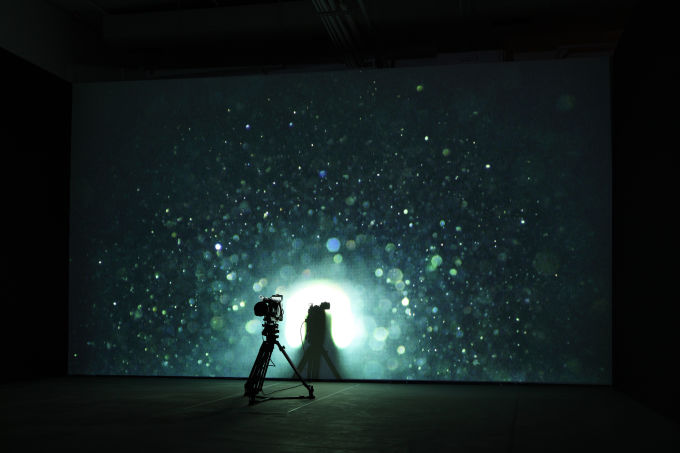
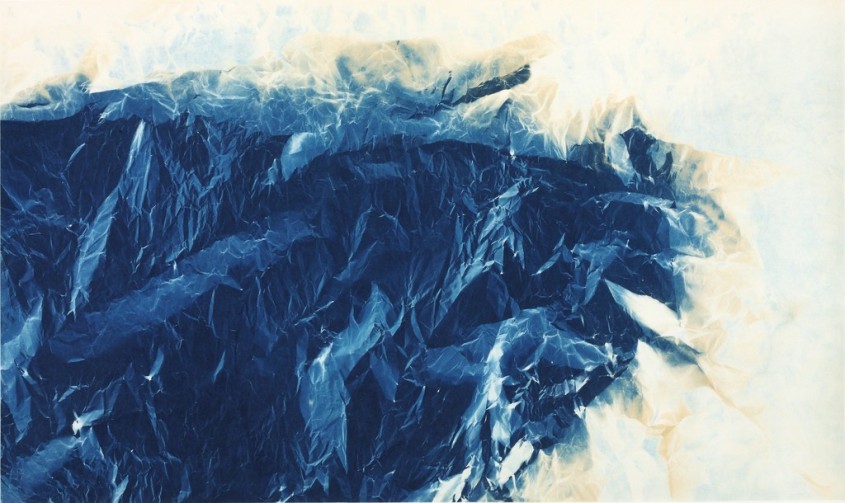
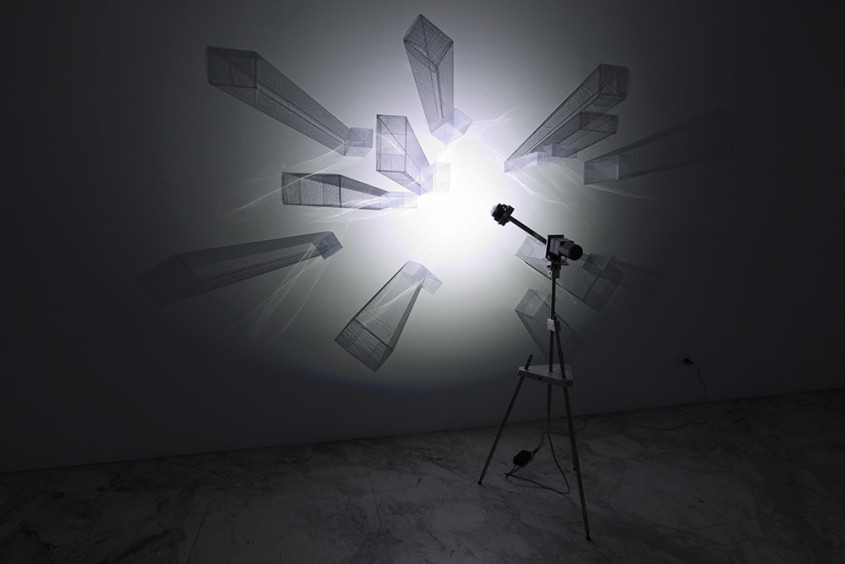
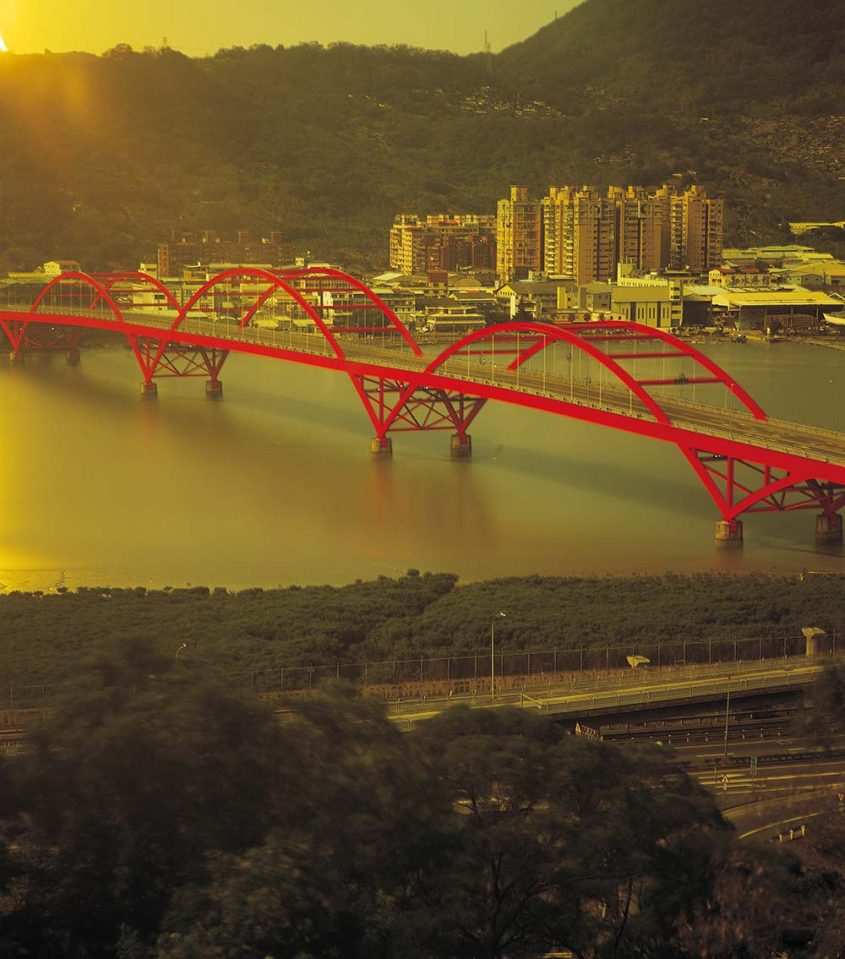
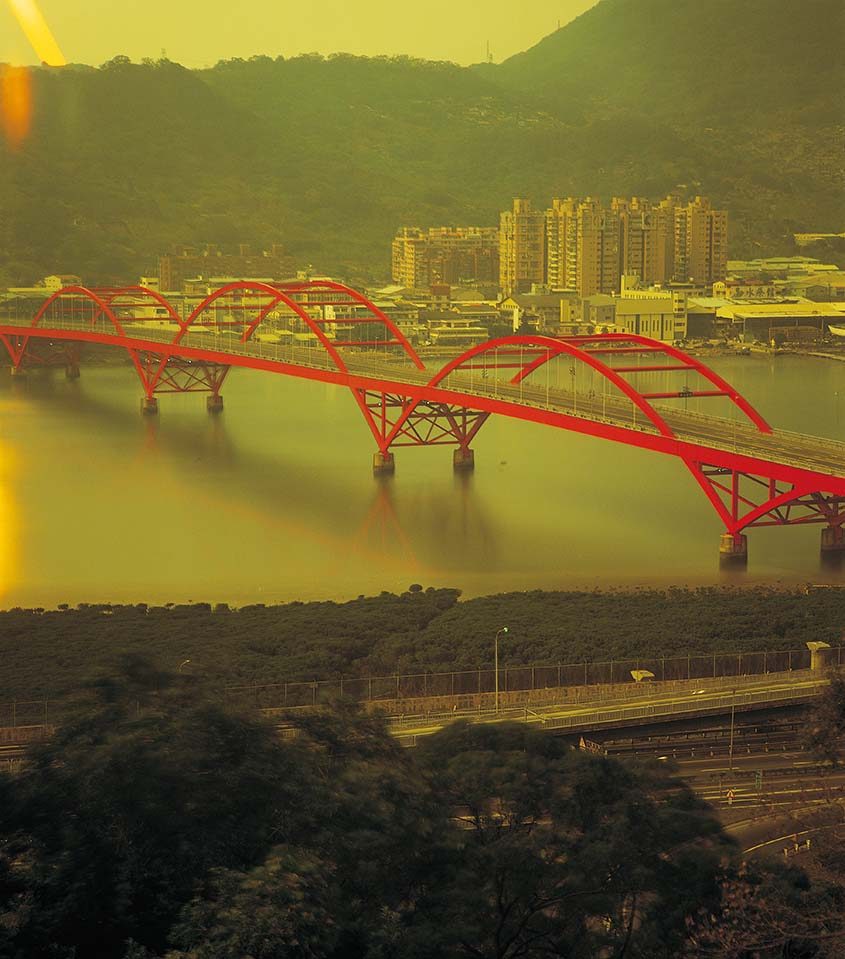
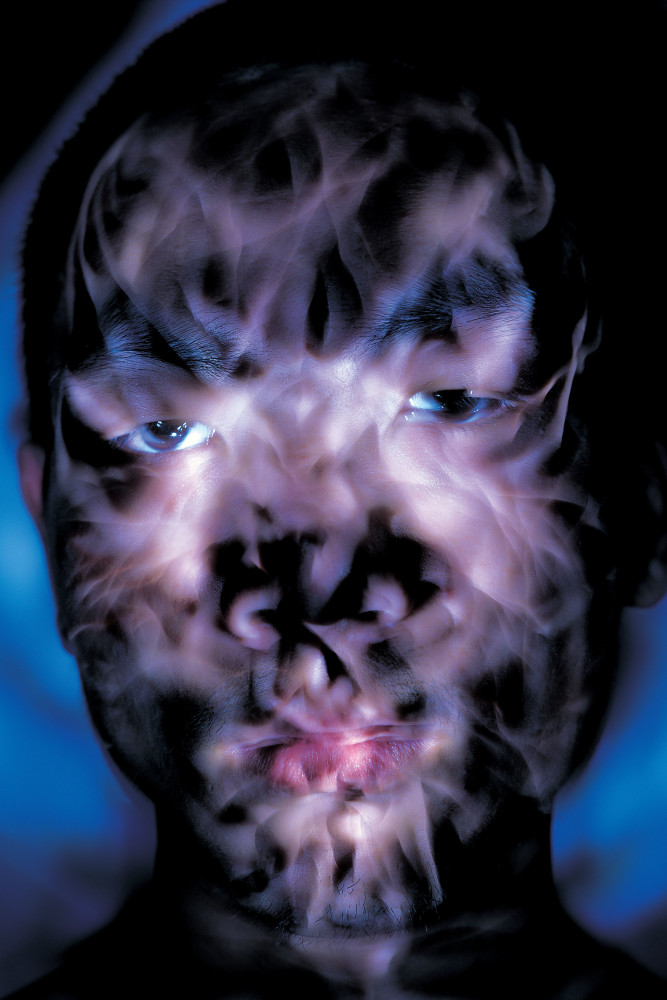
“Dust” / Image via Wu Chi-Tsung
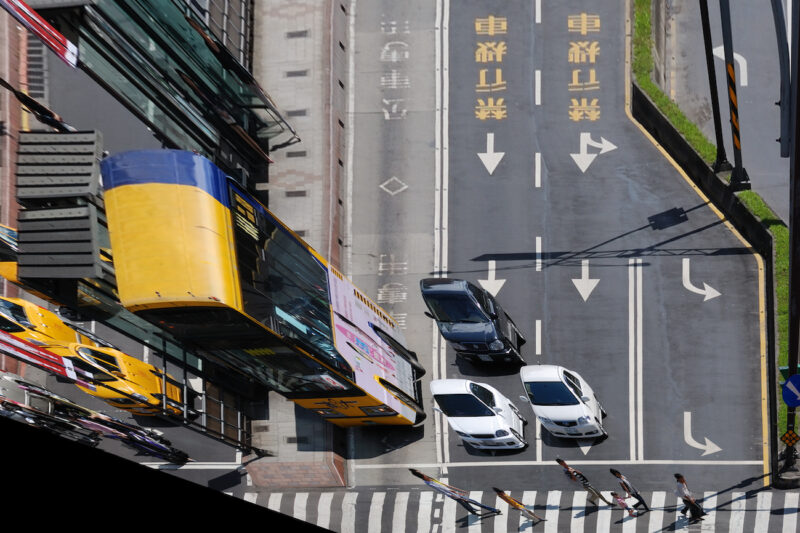
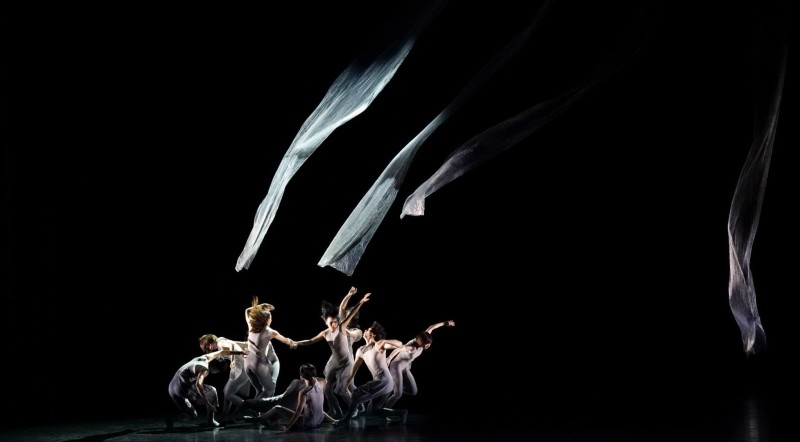
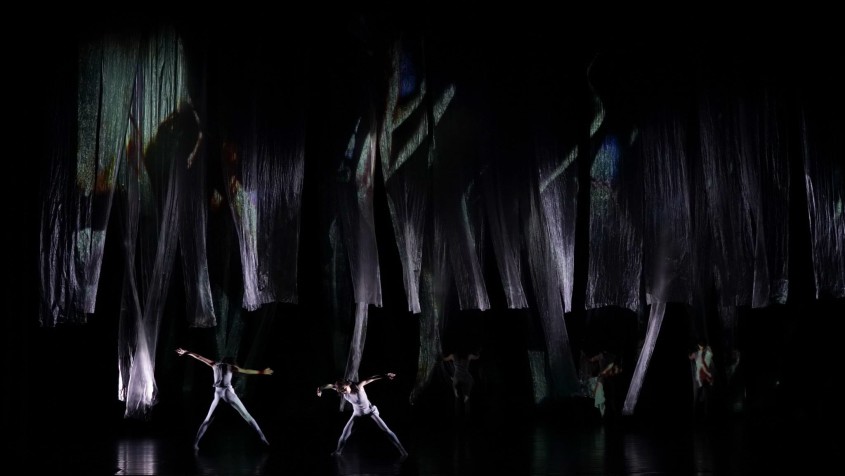
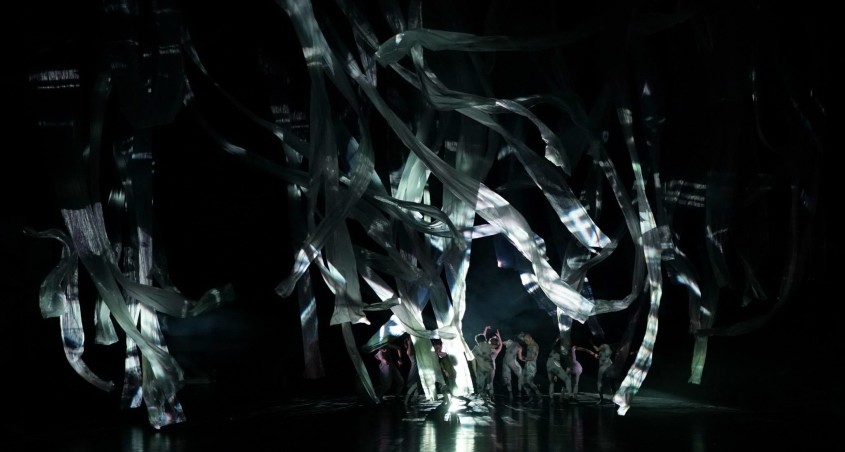
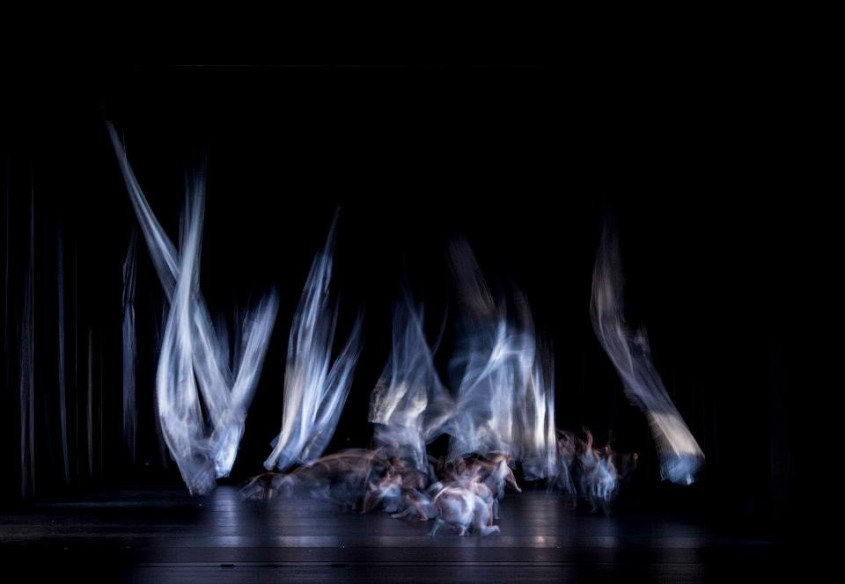
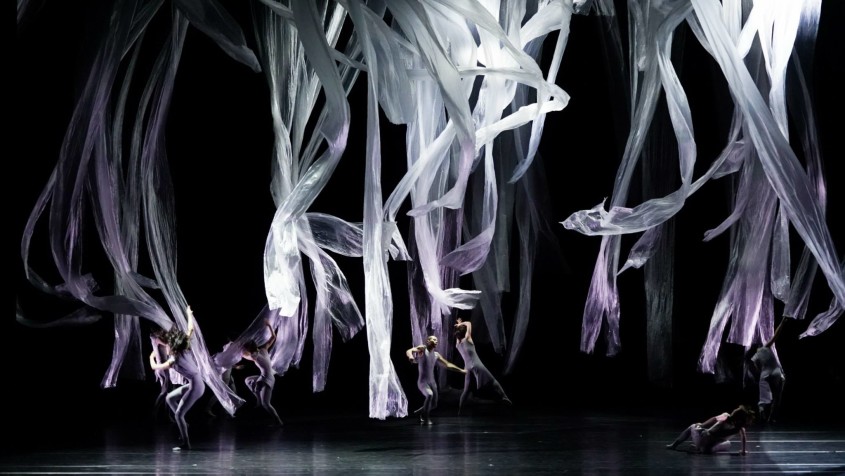
Born and raised in Taiwan, Wu Chi-Tsung creates atmospheric dreamy works mixing photography, video and set design. He uses everyday materials to create installations that look at elements of urban environments. Wu has exhibited around the world, including the UK, China, Germany, Japan, and India. This month his work appears in the “Prudential Eye Awards” exhibition at ArtScience Museum, Singapore, which opens on Jan. 17 and runs until March 31, in the summer he has work in a group show in Luxembourg, and he will round off the year with a solo show in his hometown of Taipei.
Mark Andrew Webber
Location: Reading, England
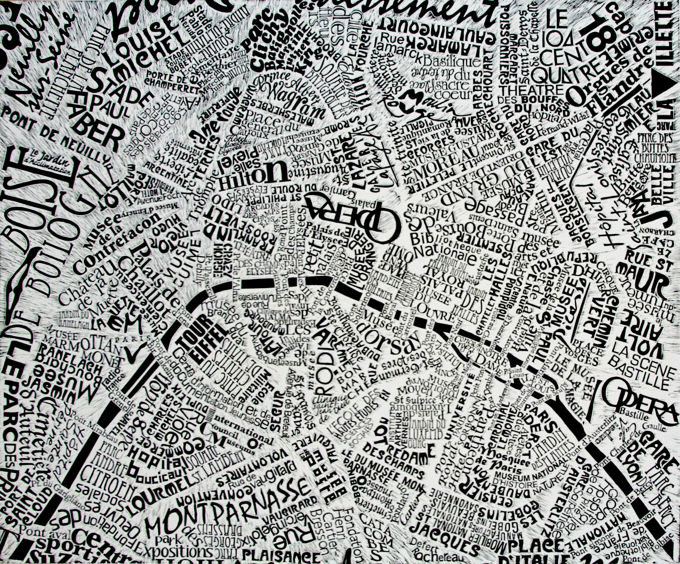
“Berlin Map” / Image via Mark Andrew Webber
Alex Seton
Location: Sydney
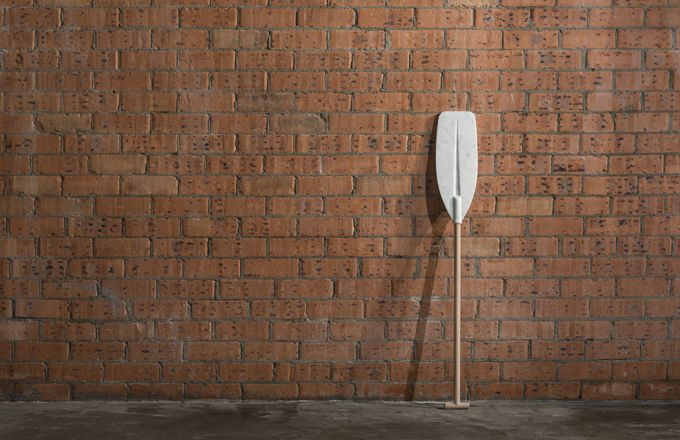
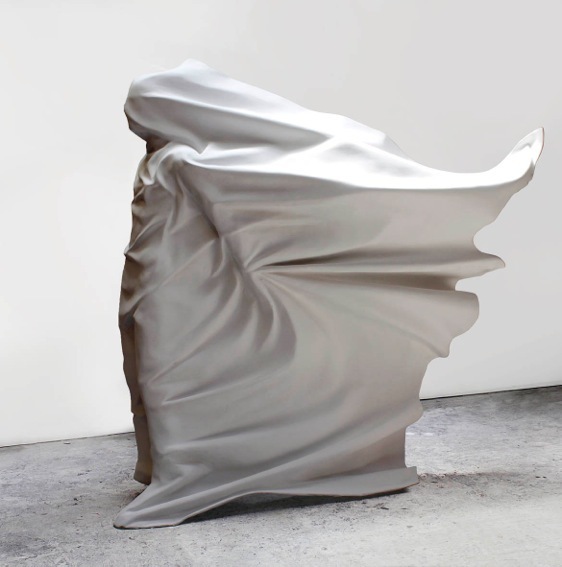
“A Paddle” / Image via Alex Seton
Antonio Santin
Location: Brooklyn
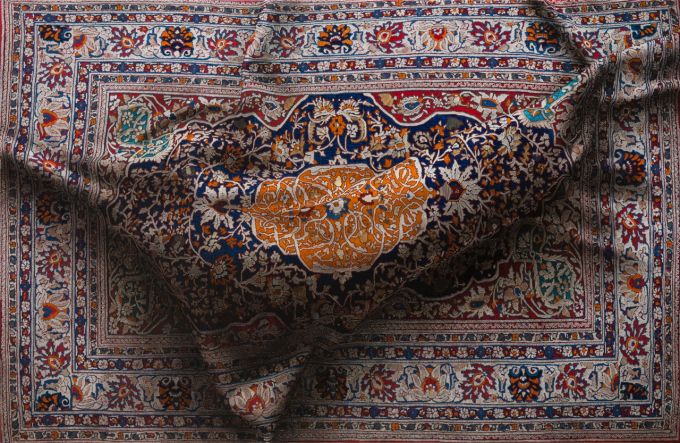
“Alicia” / Image via Antonio Santin
Nathaniel Rackowe
Location: London
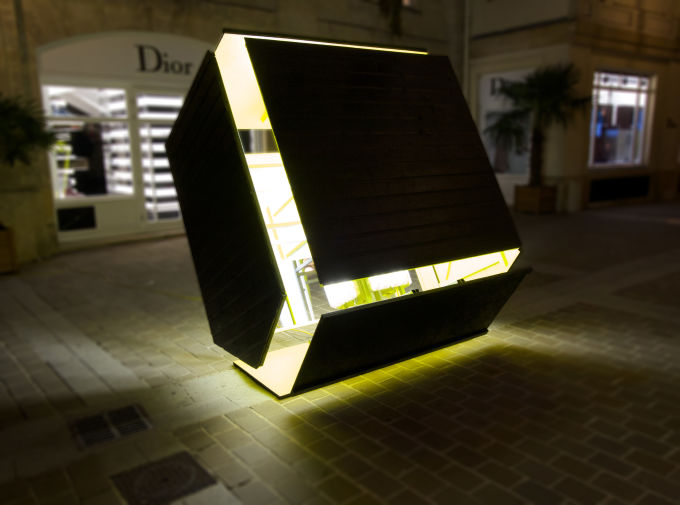
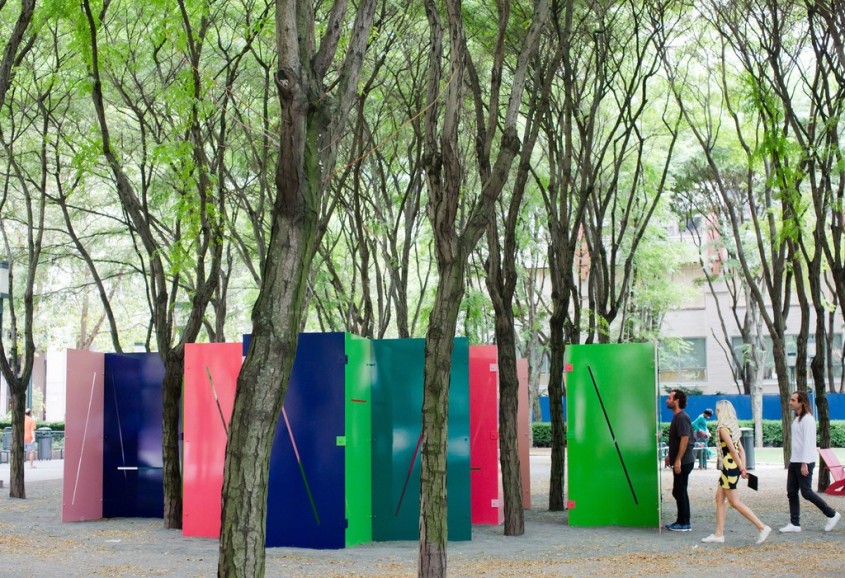
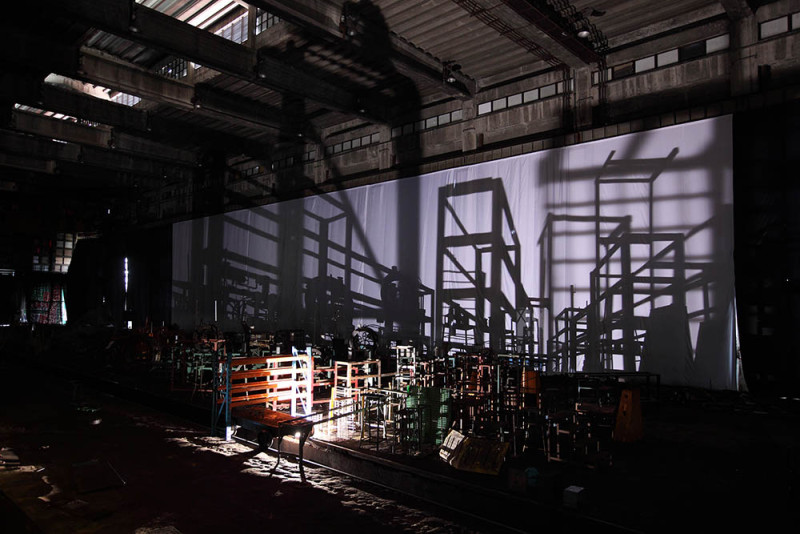
“Black Shed Expanded” / Image via Nathaniel Rackowe
Alexandra Pacula
Location: Brooklyn
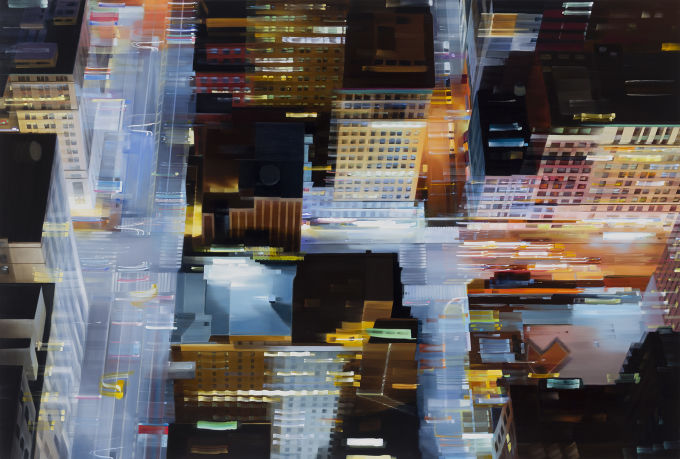
Cascading Current” / Image via Alexandra Pacula
Hormazd Narielwalla
Location: London
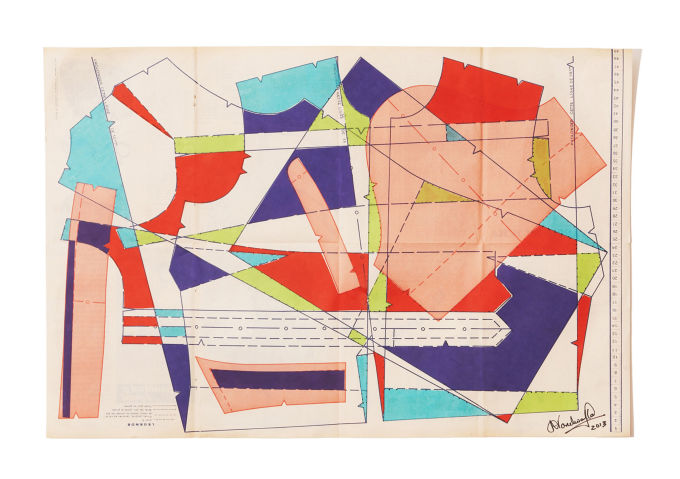
“Age of Romance” / Image via Hormazd Narielwalla
Franck de la Mercedes
Location: New York
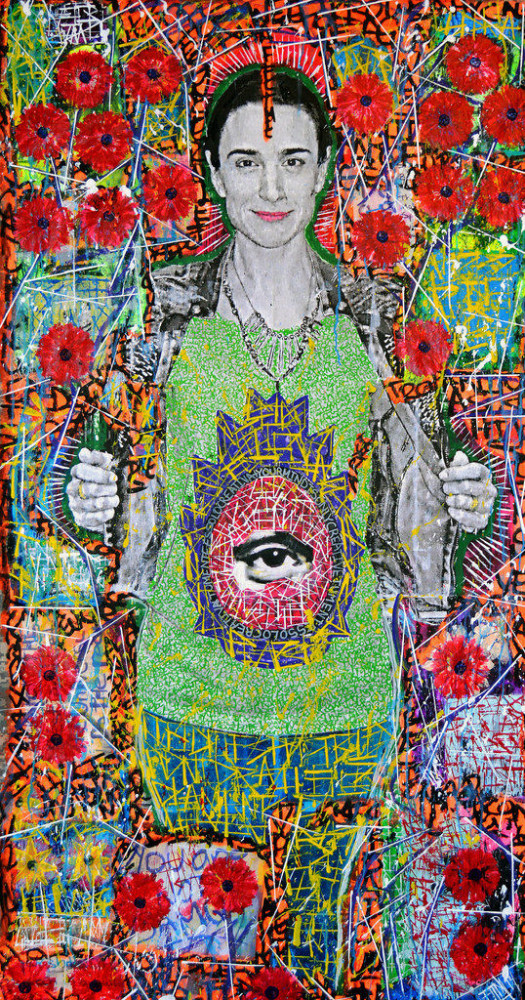
“Silvina en el jardín de las poppies” / Image via Franck de la Mercedes
Sarah Maple
Location: Sussex, England
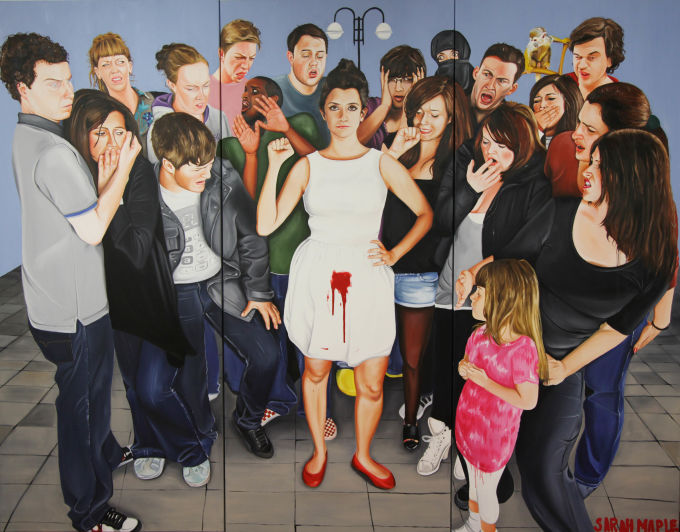
“Menstruate With Pride” / Image via Sarah Maple
Ramon Maiden
Location: Barcelona
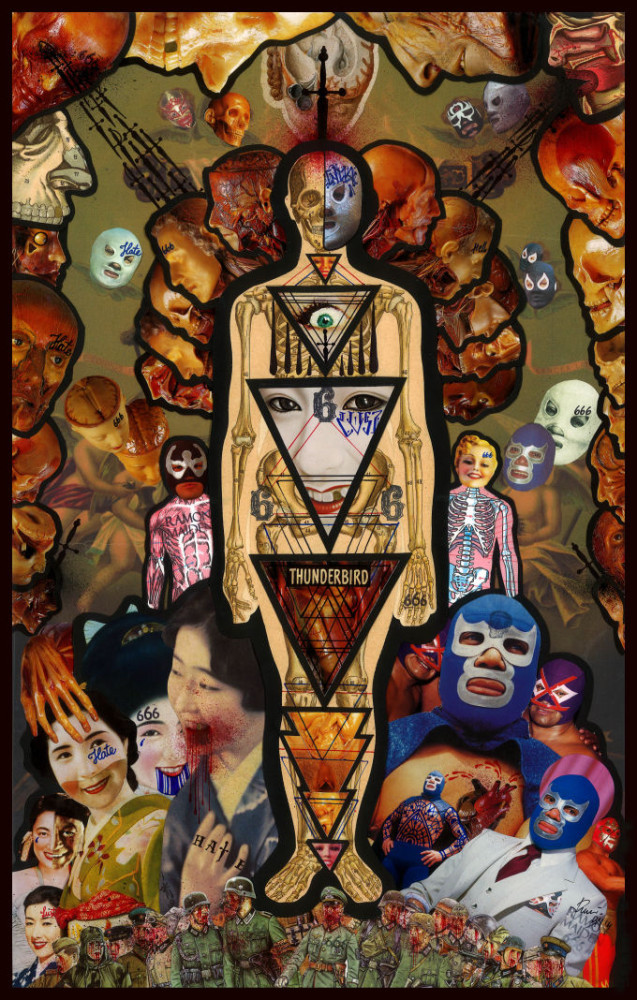
“Redemption” / Image via Ramon Maiden
Marguerite Horner
Location: London
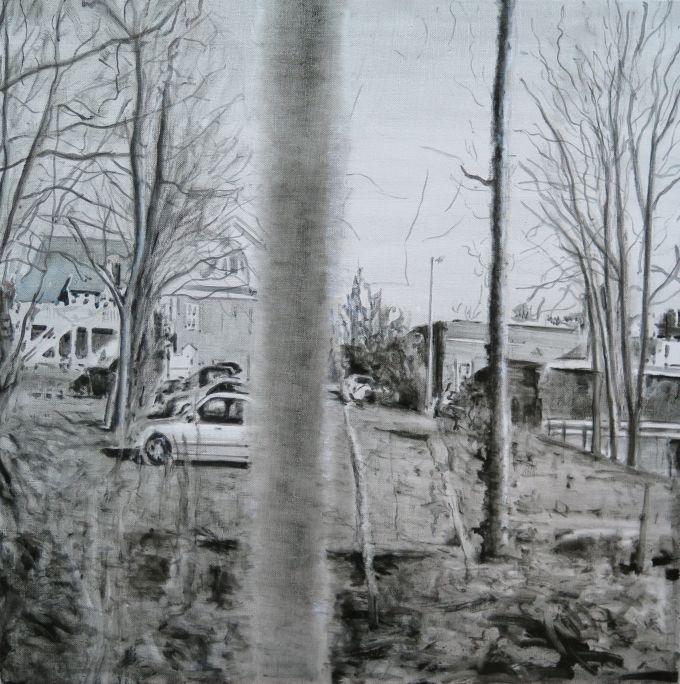
“Barrier” / Image via Marguerite Horner
Conor Harrington
Location: London
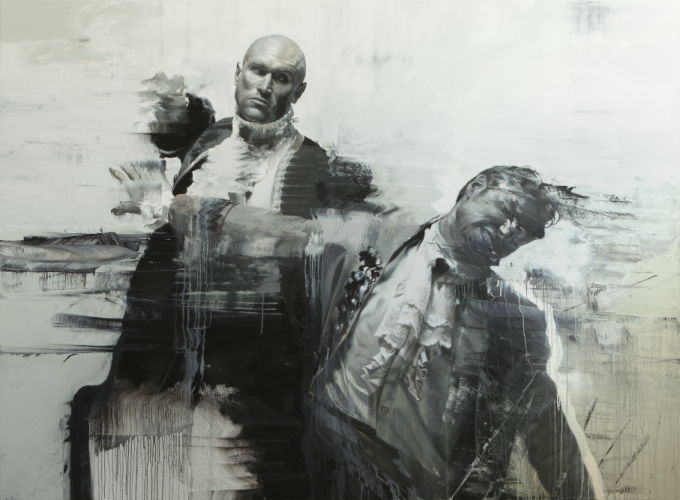
“Punch and Judy Politics” / Image via Conor Harrington
Jonathan Paul Davies
Location: London
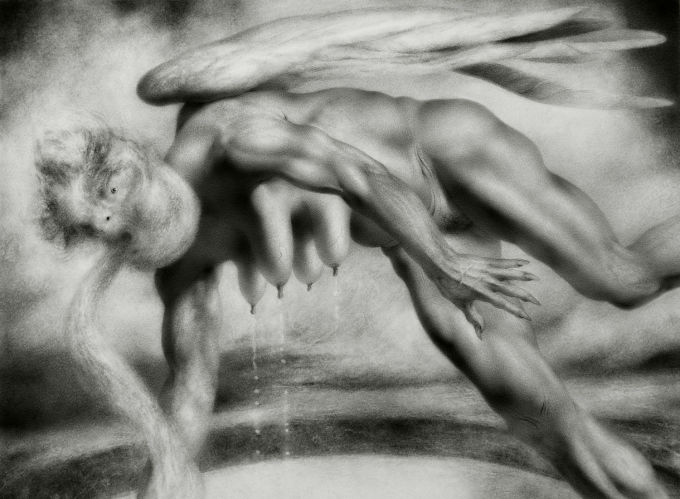
“Death following a young woman home one night” / Image via Jonathan Paul Davies
Terry Bradley
Location: Belfast, Northern Ireland
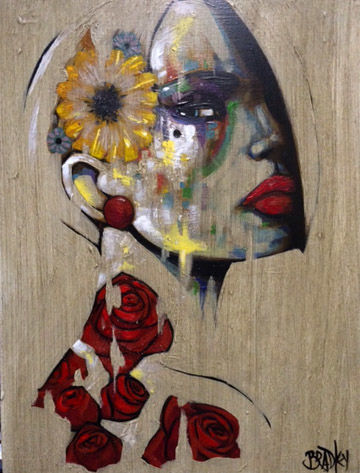
“Cocktail Hour” / Image via Terry Bradley
Matthew Best
Location: Hartford, Conn.
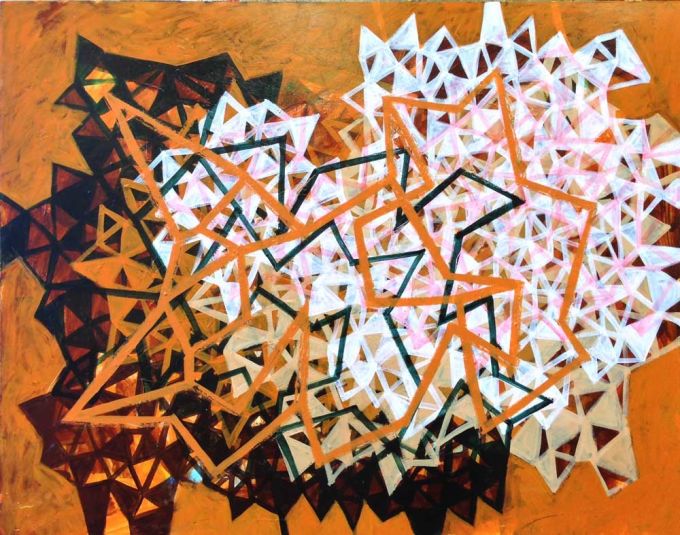
#BurtReynolds” / Image via Matthew Best