VIP Preview: Jan 16, 2 pm – 5 pm
Public Days: Jan 17 – 19
Venue: Taipei Nangang Exhibition Center, Hall 1 (4 Floor)
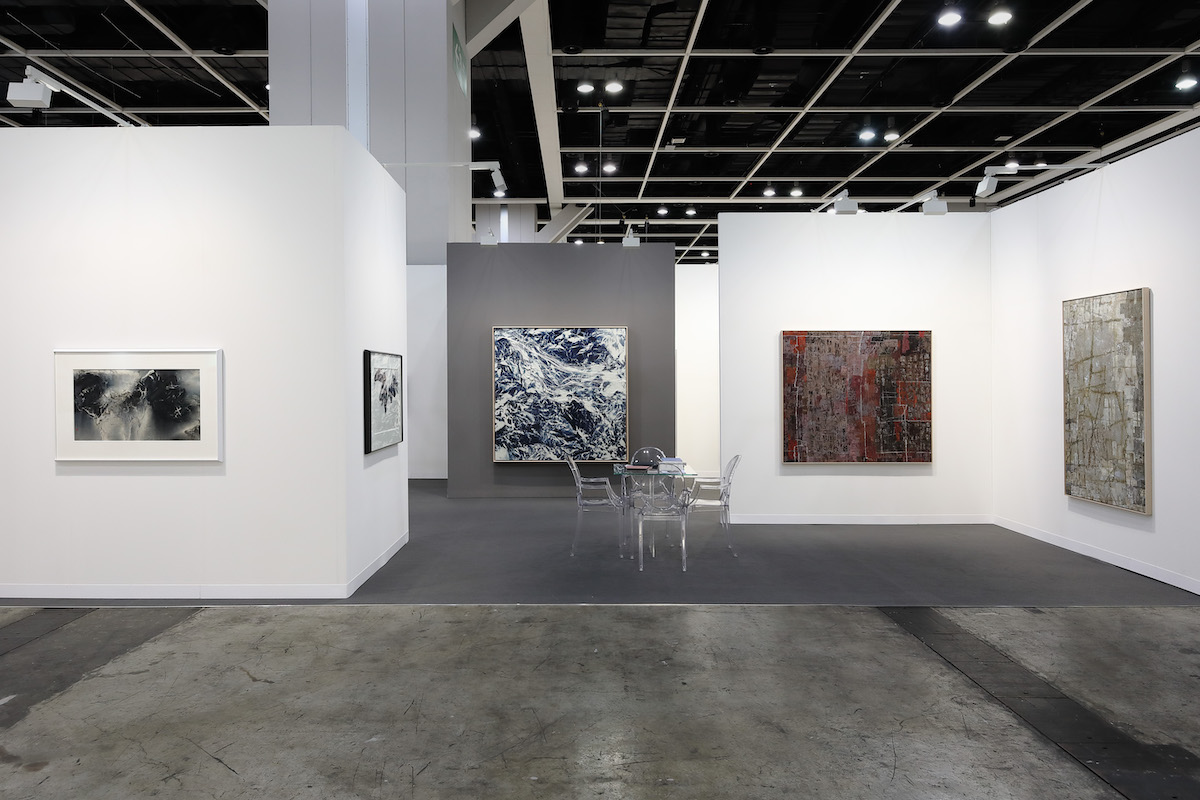
Sean Kelly Gallery|Booth D05
Galerie du Monde|Booth A04
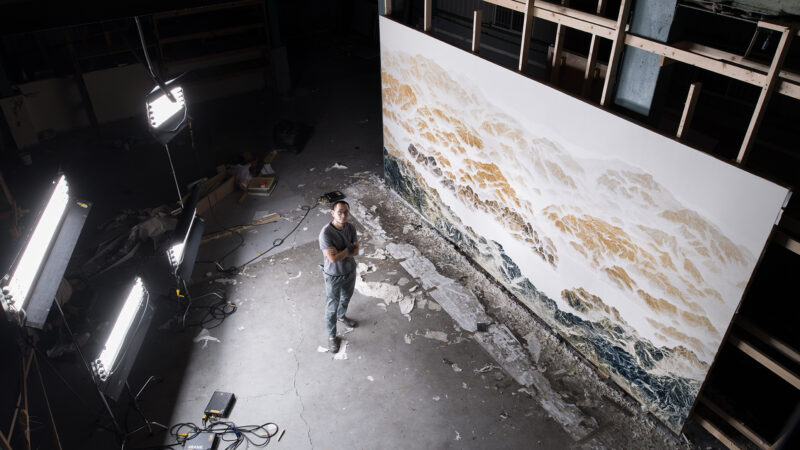
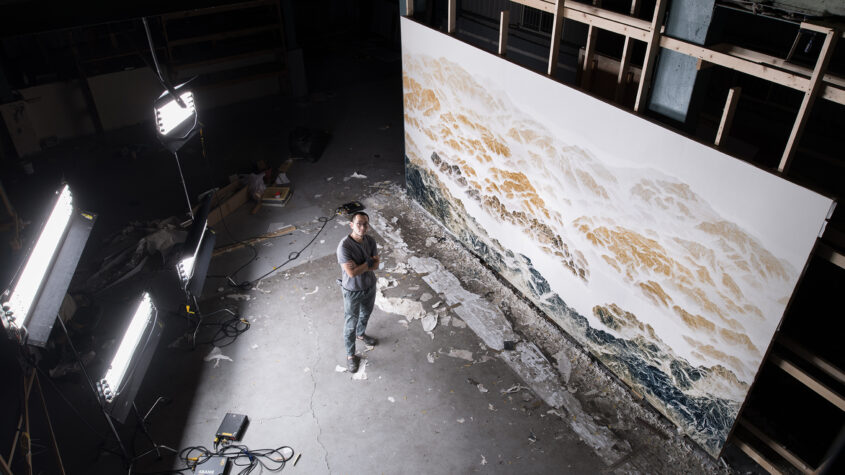
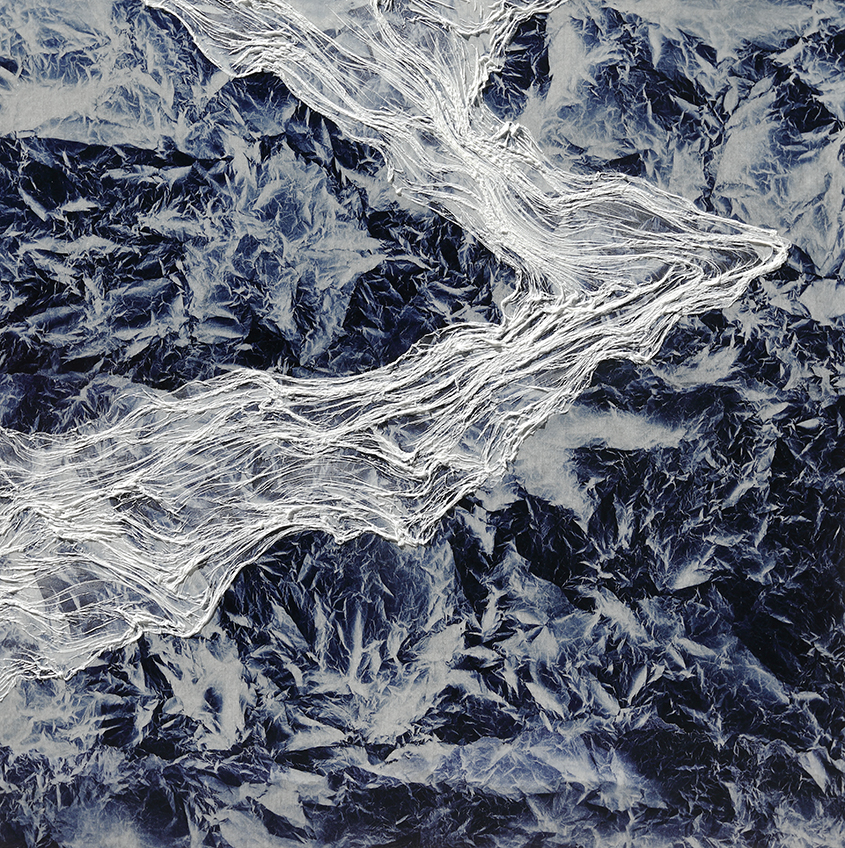
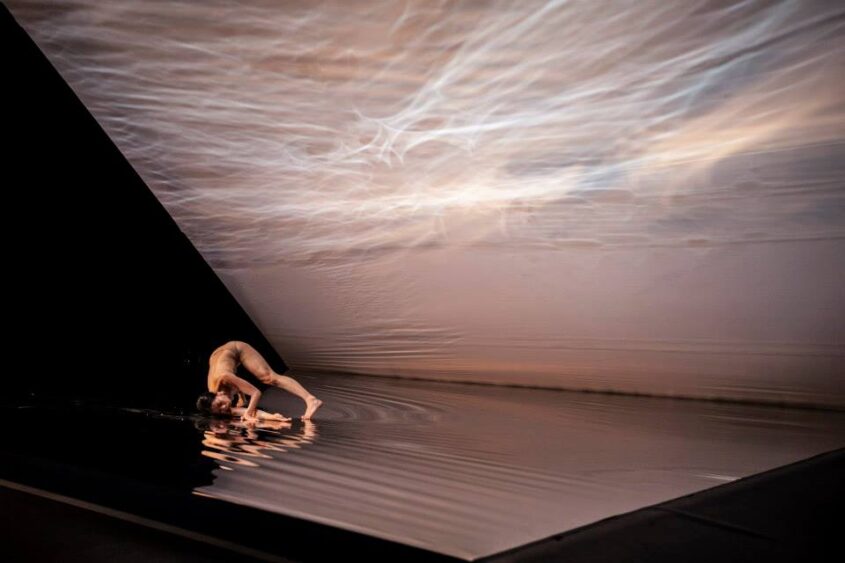
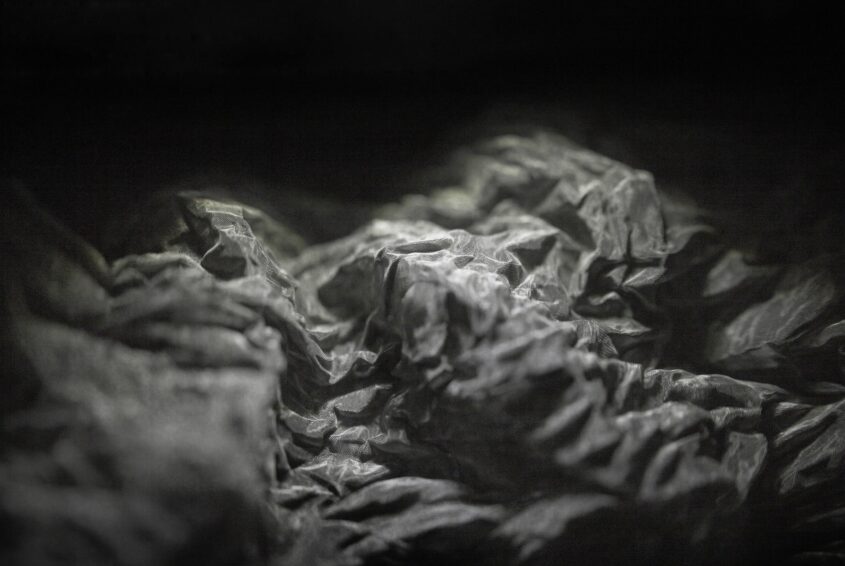
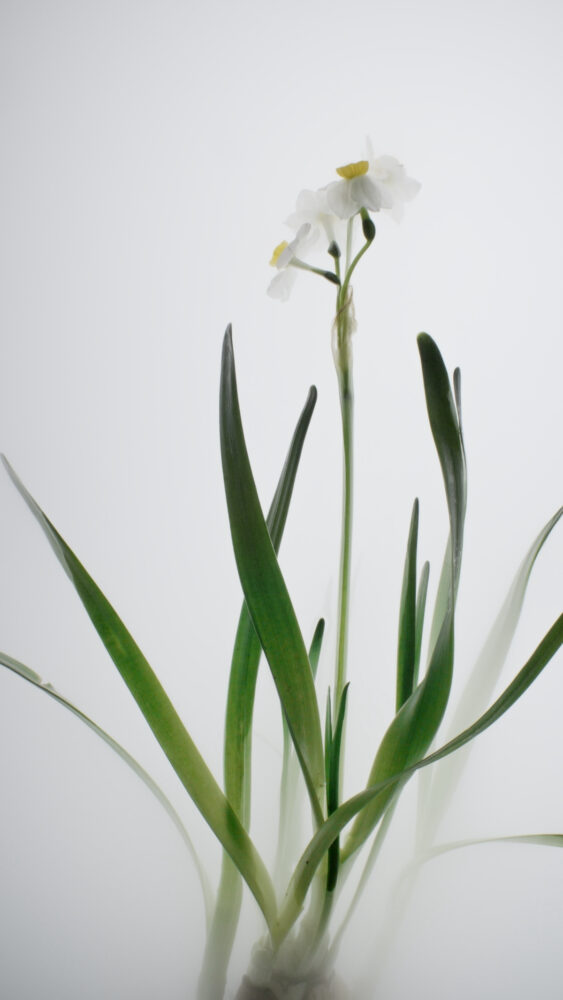
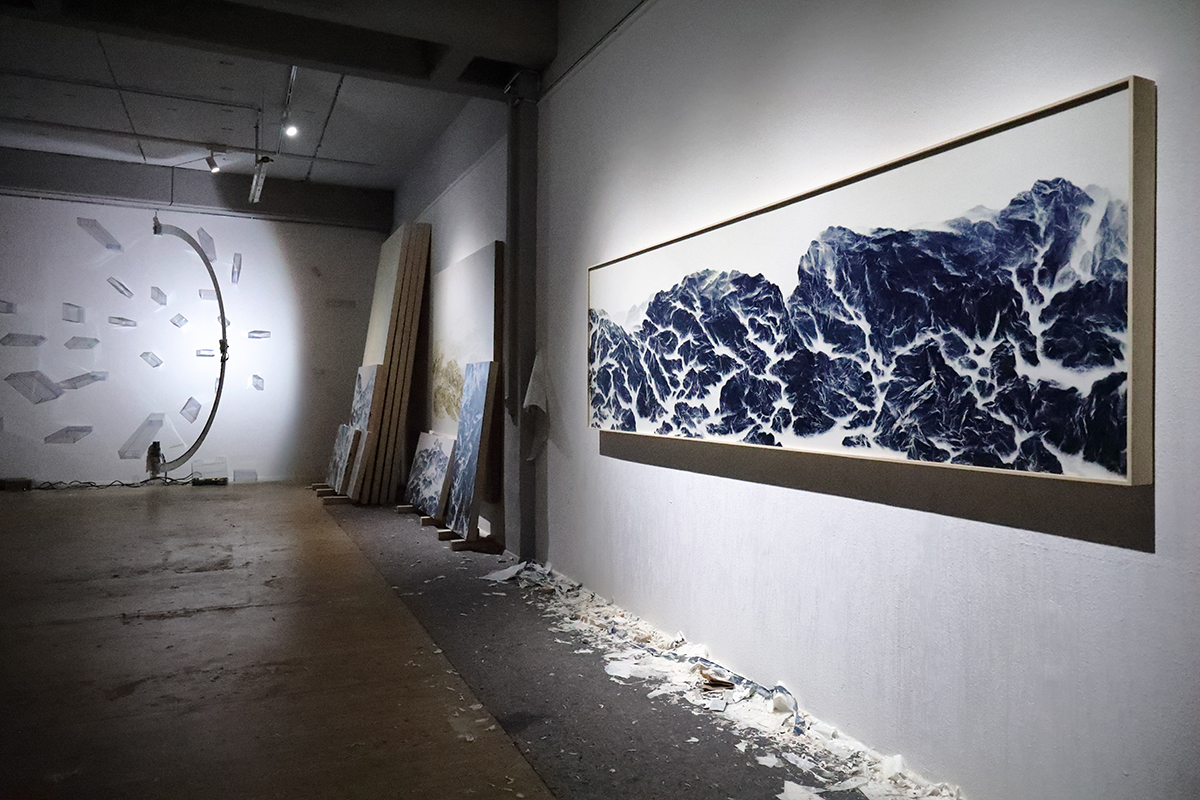
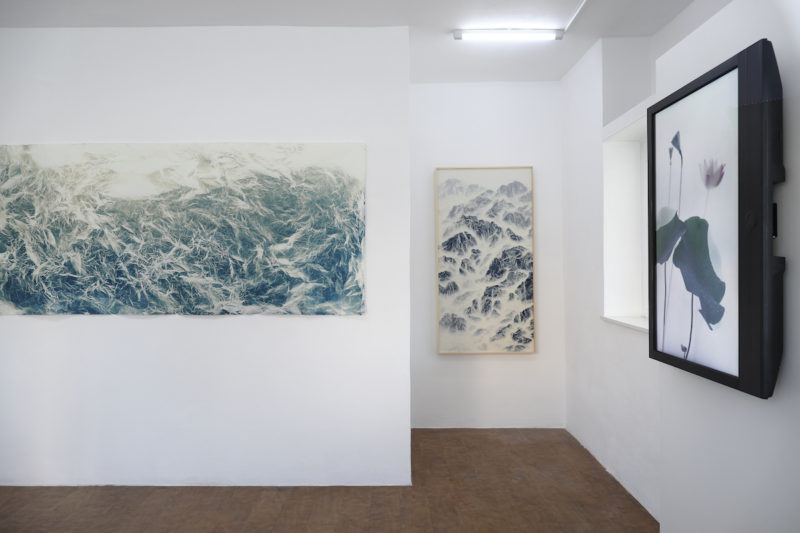
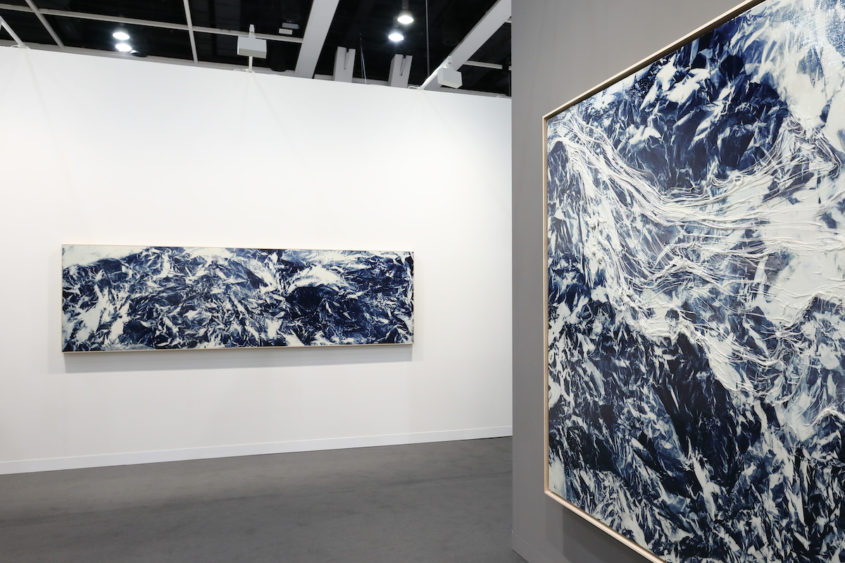
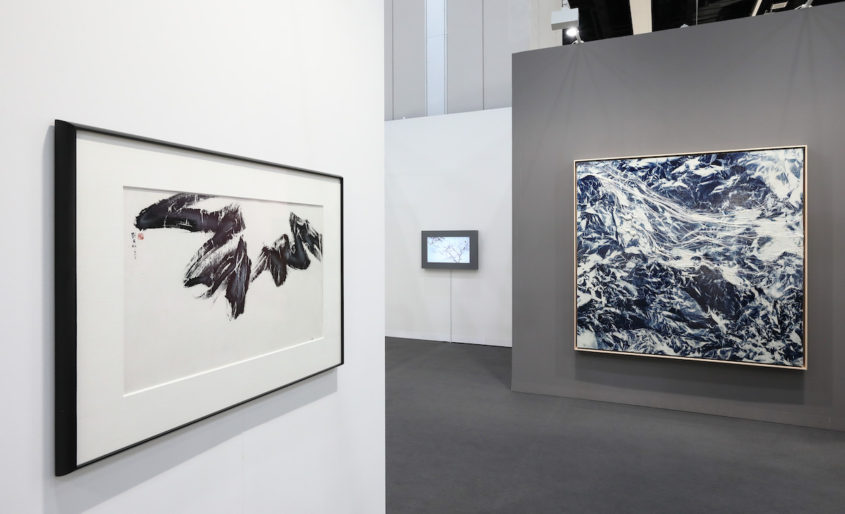
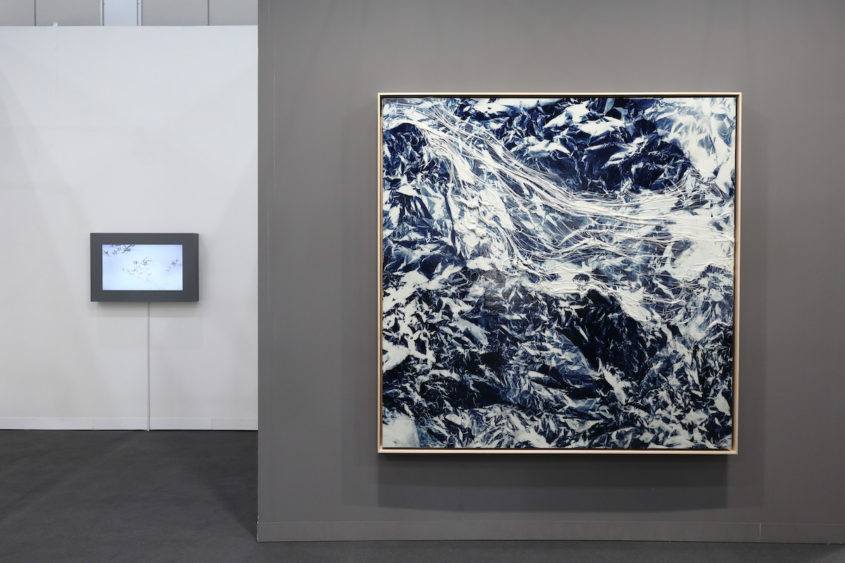
Wu Chi-Tsung’s work will be presented in Taipei Dangdai Art Fair 2020 by Sean Kelly Gallery and Galerie du Monde. During this time, Sean Kelly Gallery will present a debut of a Still Life Series and the Cyano-Collage Series, and Galerie du Monde will show the latest work of the Wrinkled Texture Series and the Cyano-Collage Series.
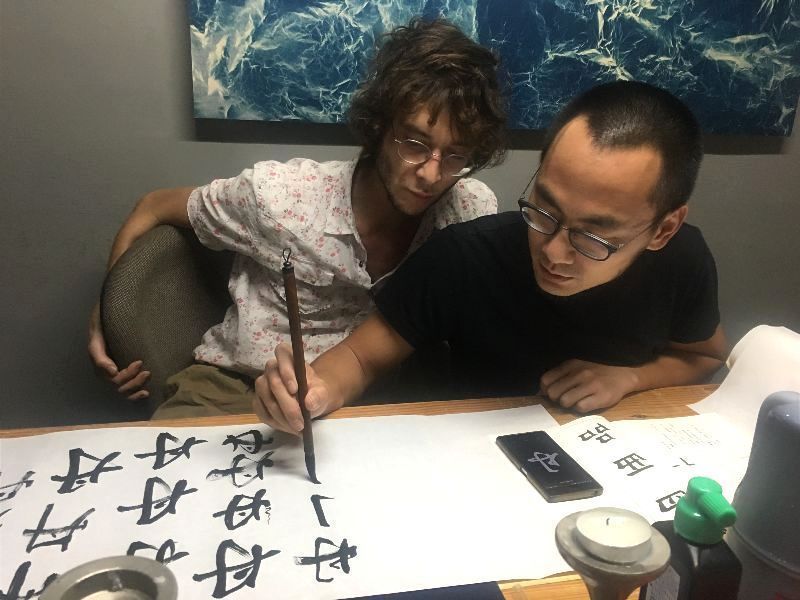
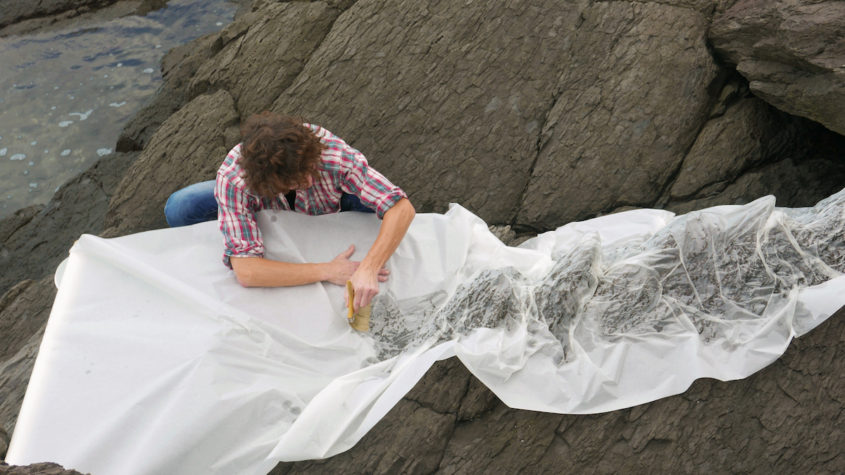
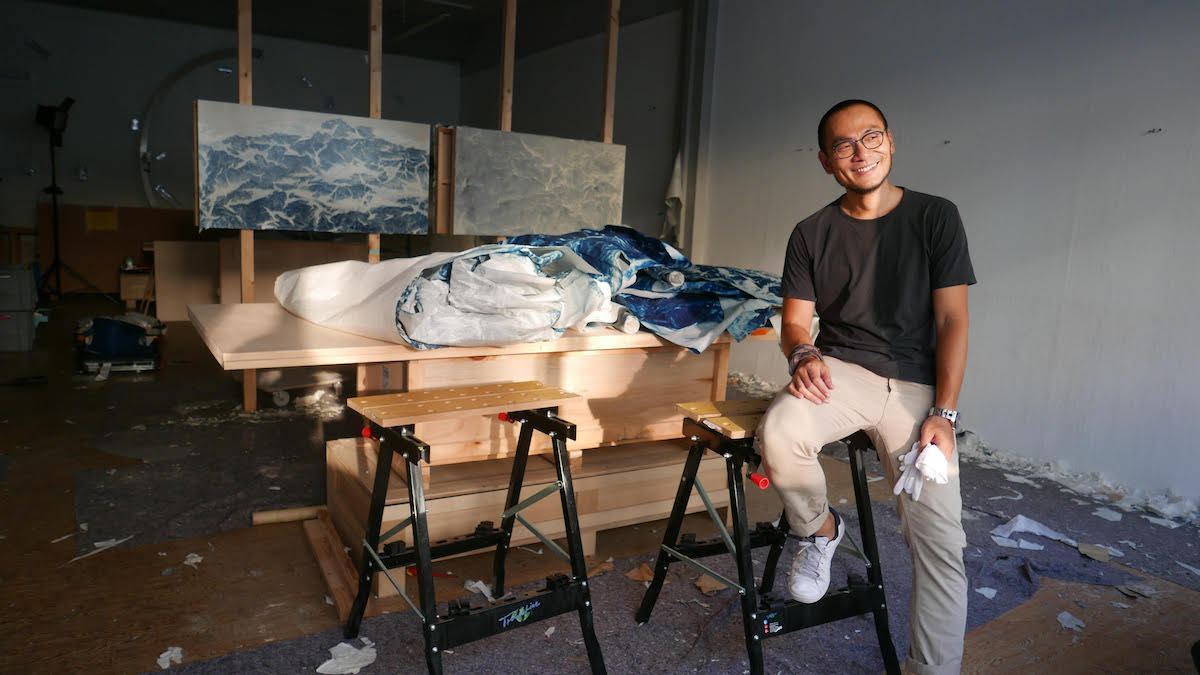
Work of Saverio Tonoli in Taipei. Using the hemp paper of Fenko Catalysis Chamber, photo credit: Sylvia Lee and Saverio Tonoli
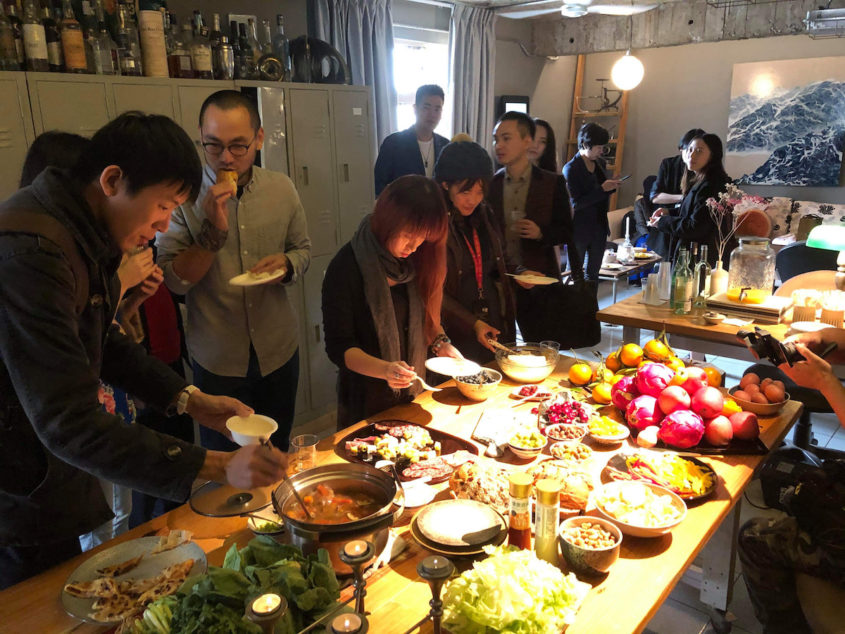
Opening Party: Jan 17, 8:30 pm – midnight Public Open: Jan 17 – Jan 19 Venue: No. 34, Ln. 223, Sec. 3, Chongqing N. Rd., Datong Dist, Taipei City 103 (Wu Chi-Tsung Studio) Paper & Conservation Consultancy: Fenko Catalysis Chamber
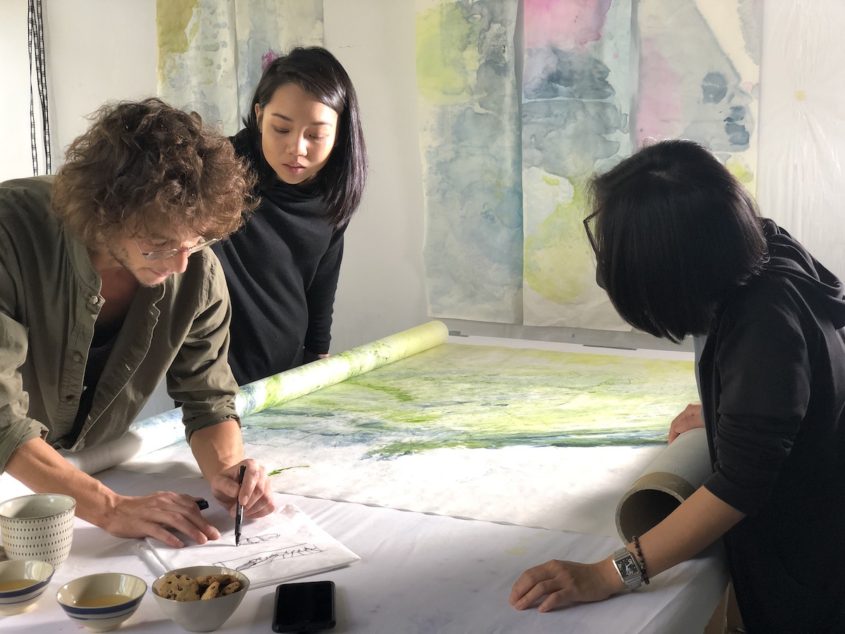
Wu Chi-Tsung Studio is delighted to present “Beyond the Now, Away
from Here”, a collaboration between our Artist-in-Residence Saverio Tonoli and
Wu Chi-Tsung.
In the exhibition, Saverio
will be showing his new artworks created during the three-month residency. The
title pays tribute to the shared interest of the two artists that merges the
aesthetics of the East and the West and reinterprets traditional and
contemporary art forms.
“What if art came into being differently…?” The exhibition allows
the audiences to rethink the nature of materials such as Xuan paper, ink,
fresco and cyanotype, to consider its origin, and to discover the possibilities
of fusing styles and cultures.
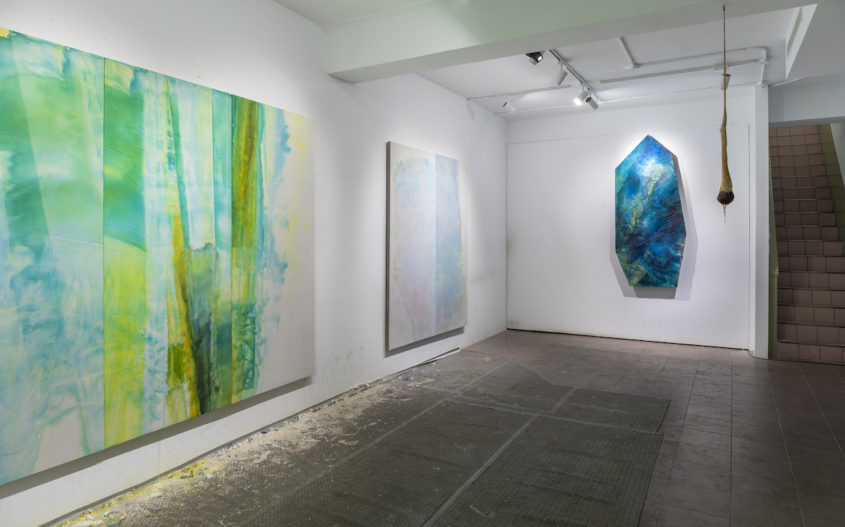
Differ from typical white-cube exhibition spaces, the exhibition
takes place at Wu Chi-Tsung studio where both artists work. Sketches, materials
and artworks are scattered around the studio from the ground floor to the
rooftop providing a vertical journey that shows the artists’ experiment and
working process to the public.
The exhibition marks the first artist residency program hosted by
an artist studio in Taiwan. Wu Chi-Tsung introduces that ‘Taiwan is an ideal
entrance to east Asia for international artists and audiences because it
combines multiple cultural influences of the region while being easily
accessed. Moreover, as an artist studio, we tend to possess higher flexibility
in hosting another artist. I hope that it could open up more possibilities and
contribute to the diversity of the art world in Taiwan’.
During his residency, Saverio has been working on his poetic imagery
between painting and sculptures, testing local Xuan papers, with the expertise
of Fenko Catalysis Chamber, by generating comprehensive solutions to the
relationship between Tonoli’s needs and exclusive preservation paper materials
for storing protection. Along with the creation of special plasters for his
fresco paintings. Through understanding customer needs and apply this insight
across their works to identify and implement the new ideas and strategies
necessary to succeed.
‘In Taiwan, I’m struck by the landscape and of course by the ink and paper knowledge, I learn and absorb like a sponge. I am finding more extreme ways to treat paper and plaster, and to regulate ink with gravity. I am looking forward to the exhibition to share my journey with international audiences’, says Saverio.
Saverio Tonoli (b. 1984, Italy) crosses different techniques in
his painting practice such as ink brushwork, fresco techniques and processes on
different papers. He grew up in the darkroom where he started observing the
behaviors of liquids and chemicals on images, which he then translated over the
years into painting.
Wu Chi-Tsung (b. 1981, Taiwan) combines traditions and
contemporary art forms from the East and the West. His work transforms daily
objects into poetic images, and spans across different media, including
photography, video, installation art, painting and set design.
Exhibition Planning:Julian Chu Copywriting:Wang Tianyi English Proofreading:Fredrik Nornemark Exhibition Site Assistant:Hao-Yun Dong
薩維里奧・托諾利在台創作作品,使用鳳嬌催化室的麻紙,圖 / Sylvia Lee 與Saverio Tonoli
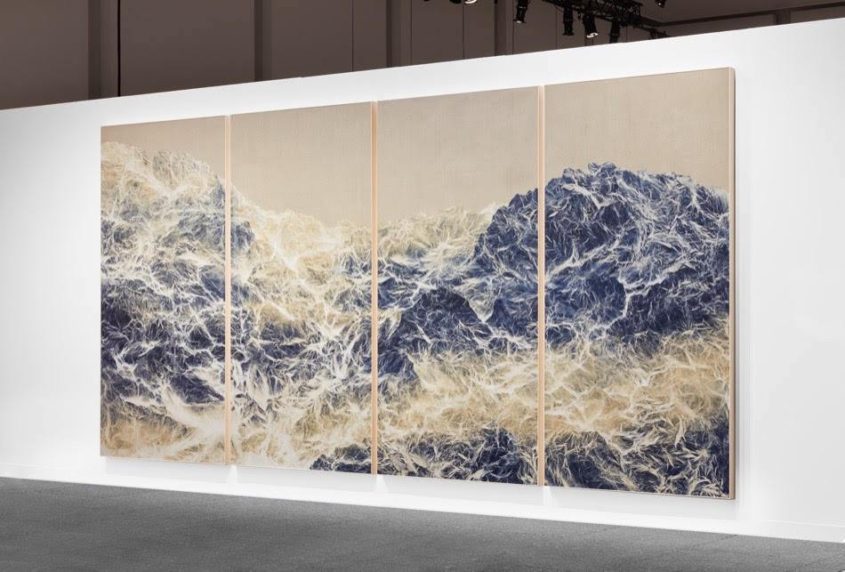
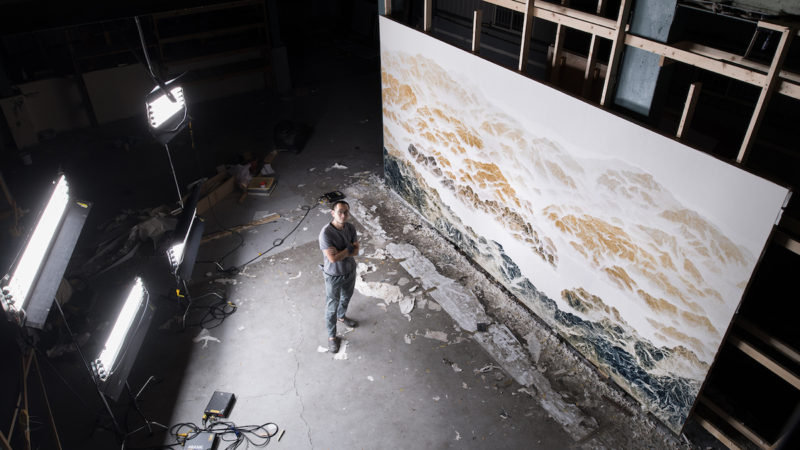
Cyano-Collage 064, 300 x 600 cm, presented in Art Basel Miami Fair
Art fairs need to continuously stay fresh, even Art Basel in Miami Beach, which has a reputation for being the art world’s favorite party. Looking to add a bit of zest to its exhibition program, this year the fair is inaugurating its new Meridians sector to present large-scale works and performances in the refurbished Miami Beach Convention Center’s 60,000 square-foot Grand Ballroom.
“From what I’ve observed in the past, the curatorial and museum crowd has gotten tired of coming to Miami for only booth presentations, but by bringing more of a curatorial edge to it, I’m hearing that curators are more excited to attend this year,” Ben Strauss-Malcolm, a director at Pace, which has two artists—Adam Pendleton and Fred Wilson—in the show, tells Galerie.
Presenting 34 large-scale sculptures, paintings, installations, performances, and film and video projections by an international group of established and emerging artists, the projects were chosen by a selection committee and have been organized by the show’s curator, Magalí Arriola, the director of Mexico City’s Museo Tamayo.
With a focus on artists and works from the Americas—although its somewhat broader in this initial year because not as many galleries applied—the show addresses issue of race, gender and immigration, which are topics that are floating around the greater art world. “Many of the works are content-loaded, which is an exciting part of it,” Arriola shared by phone from Miami, where she was already working on the installation. “I’m happy with the space and layout and the individual projects. I believe these bigger works give viewers a chance to grasp what’s behind the artists’ proposals. There are overarching themes that echo between the varied works, which makes the whole section quite compelling.”
Chi-Tsung Wu’s Cyano-Collage 064 Sean Kelly
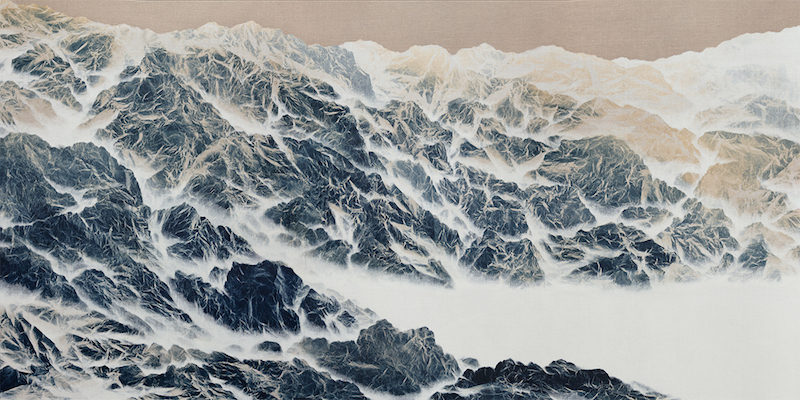
To create this sublime blue mountainous landscape, artist Chi-Tsung Wu employs age-old methods in the most innovative of ways, combining a 19th-century photographic printing process known as cyanotype together with the tradition of ancient Chinese landscape painting. To begin, Wu first coats chemically treated crumpled sheets of thin Xuan (rice) paper with an emulsion that turns the paper a deep blue after being exposed to light, before flattening them and collaging the hundreds of pieces onto linen canvas. With no predetermined design in mind, the artist constructs the imaginative scene, which simulates traditional Chinese mountain water (shan sui) paintings, as he goes—becoming a witness to the making of his work. Having a kind of tie-dye effect on the rice paper allows him to create the jagged rocks and snowy peaks and valleys that lend a modulated look to the layered landscape.
Sean Kelly is delighted to announce that the gallery now represents Wu Chi-Tsung.
Wu Chi-Tsung’s innovative
work features a broad range of media including photography, video, installation
and painting, in which he combines traditional and contemporary forms and methodologies
to explore perceptions of the physical and natural worlds. Trained from an
early age in the practices of Chinese calligraphy, Chinese ink painting,
watercolor and drawing, Wu Chi-Tsung worked for many years in a traditional
idiom. Following a period spent creating experimental ink paintings, he turned
to video, installation and photography, finding in these new media compelling
conceptual stratagems that spurred new and dynamic approaches to making images.
These have included films that conceptually translate traditional cut-branch
flower paintings into time-based moving images and his recent Cyano-Collage
Series, in which he connects Eastern and Western culture and art to
integrate traditional aesthetics with startling contemporary language. On
joining the gallery Wu Chi-Tsung said, “I’m
pleased to be joining Sean Kelly, which has a legendary history and program,
featuring amazing artists from all over the world.
Sean Kelly states, “We are delighted that
Chi-Tsung is joining the gallery. We included him in a group exhibition this summer
and were profoundly impressed by his conceptual and artistic
process, in which he combines contemporary techniques and traditional Chinese
methods to create a unique amalgamation of different cultures, the past and the
present.”
Wu Chi-Tsung currently
lives and works in Taipei, Taiwan and Berlin, Germany.
He was the recipient of
the Liu Kuo Sung Ink Art Award, Hong Kong and Taiwan (2019). In addition, he was
awarded the WRO Media Art Biennal (2013) and Taipei
Arts Award (2003). He was short-listed for the Prudential Eye Awards, 2015; the
Artes Mundi, 2006. His work has been included in international exhibitions at
institutions such as the Mori Art Museum, Japan; National Museum Cardiff, United
Kingdom; the Long Beach
Museum of Art, Los Angeles; the Casino Luxembourg – Forum d’art Contemporain,
Luxembourg; the Museo Del Palacio De Bellas Artes, Mexico and the Central
Academy of Fine Arts (CAFA) Art Museum, Beijing, China; Shanghai Art Museum,
China; Seoul Museum of Art, South Korea; Minsheng 21st Century Museum,
Shanghai, China; the Museum of Contemporary Art Yinchuan, China; the Hiroshima
City Museum of Contemporary Art, Japan; the Ullens Center for
Contemporary Art (UCCA), Beijing, China; the Taipei Fine Arts Museum, Taiwan; amongst others. His work is included in renowned
collections such as Xie Zilong Photography Museum (XPM), the Post Vidai
Collection, M+ Hong Kong, and the Borusan Contemporary Art Collection.
Cyano-Collage 064, 300 x 600 cm, will be presented in Miami
Meridians Opening (by invitation only)
Tuesday, December 3, 2019, 4pm to 7pm
VIP Preview (by invitation only)
Wednesday, December 4, 2019, 11am to 8pm
Thursday, December 5, 2019, 11am to 3pm
Public Days
Thursday, December 5, 2019, 3pm to 8pm
Friday, December 6, 2019, 12 noon to 8pm
Saturday, December 7, 2019, 12 noon to 8pm
Sunday, December 8, 2019, 12 noon to 6pm
Venue
Miami Beach Convention Center, 1901 Convention Center Drive Miami Beach, FL 33139
Wu Chi-Tsung will be participating in the Art Basel Miami Beach represented by Sean Kelly New York. As the first Taiwanese artist that is shown in this art fair, Wu Chi-Tsung will be presenting his new work of the Cyano-Collage Series at the Meridians section, a new section that focuses on sculptures, paintings and video installations of large scales. As is introduced by curator Magalí Arriola, works of this section will provide reinterpretations towards race, gender, and regions.
Magalí Arriola, a curator and critic based in Mexico City, has been named director of the Museo Tamayo in the Mexican capital. According to the Mexican newspaper La Razón, Arriola will take up the role on September 17. The publication also reported that one of Arriola’s priorities will be increasing the international reach of the museum.
Arriola was chief curator at the Museo Tamayo from 2009 to 2011, and during that time she organized exhibitions of work by artists such as Roman Ondák, Claire Fontaine, Adriá Julia, and Julio Morales. After her tenure there, she worked as curator at the Museo Jumex in Mexico City, which opened in 2013 and has since become one of the city’s most important spaces for contemporary art. For the Museo Jumex, she curated a show focused on James Lee Byars.
Between 1997 and 2000, Arriola worked as chief curator at the Museo Carrillo Gil in México City and, in 2006, she was visiting curator at the Wattis Institute for Contemporary Art in San Francisco. Some of her curatorial credits include the 2008 Panama Biennial, the group show “Prophets of Deceit” (2006) at the Wattis Institute for Contemporary Art, and “What once passed for a future, or The landscapes of the living dead” (2005) at Art2102 in Los Angeles.
Arriola will curate a new section called “Meridians” at the 2019 edition of Art Basel Miami Beach. The presentation will spotlight large-scale works of various mediums, including sculpture, painting, and installation. She has contributed to publications such as Poliéster, ArtNexus, Parachute, Exit, Spike, Afterall, and Manifesta Journal.
「藝匯經線」展區開幕(僅憑邀請)
2019年12月3日(星期二) 下午4時至晚上7時
貴賓預展(憑邀出席)
2019年12月4日(星期三)上午11時至晚上8時
2019年12月5日(星期四)上午11時至下午3時
公眾開放
2019年12月5日(星期四)下午3時至晚上8時
2019年12月6日(星期五)中午12時至晚上8時
2019年12月7日(星期六)中午12時至晚上8時
2019年12月8日(星期日)中午12時至下午6時
地點
邁阿密沙灘會議中心,1901 Convention Center Drive Miami Beach, FL 33139
Exhibited in Photofair Shanghai in last September, Wu Chi-Tsung’s Cyano-Collage 068 was collected by Xie Zilong Photography Museum. Located in Changsha, the museum is prestigious for its symbolic architecture and professional interpretation of photography art.
Xie Zilong Photography Museum (XPM), located at Zone D of Yanghu Wetland Park in Changsha City, was founded by Mr. Xie Zilong, photographer, Chairman of Hunan Photographers Association and President of LBX Pharmacy Chain Co. Ltd., with an investment of 150 million yuan. As the largest non-profit photography museum in China, XPM was officially opened to the public for free since September 16th, 2017.
Designed by the famous architect Mr. Wei Chunyu, Dean of the School of Architecture of Hunan University and his team, XPM has a floor area of 10,600 square meters and was made by a one-off cast in fair bare concrete—it’s a return to the essence of architecture and art and a rejection and subversion of the flashy architectural language prevailing today, allowing the audience to feel the art of photography through the building. Of the four floors, the first one is the Art and Cultural Space with Zhinong Bookstore, Zhinong Café, a Japanese restaurant, a multifunctional hall and a water-viewing deck inside; the second and third floors are professional exhibition halls of 4,000 square meters with display walls as long as 1,000 meters, the tallest of the walls is 10m and the longest 40m and with professional German Erco display lighting; the fourth floor is a full set of a top-class Swedish Profoto high-end photo studio and a gallery.
As a professional and high-end world-class museum of photography, Xie Zilong Photography Museum integrates collection, exhibition, academic research and exchange and is dedicated to building a platform for the art of photography in China and to promoting the development of Chinese photography art.
Wu Chi-Tsung’s video installation works Still Life 011 – Tsubaki and Still Life 012 – Buttercup Tree were recently collected by Borusan Contemporary Art Collection, the first collection in Turkey which is a member of IACCCA (International Association of Corporate Collections of Contemporary Art). The collection, which was established in the 90s, was initially focused on Modern and Contemporary Turkish Art. Yet with the inclusion of international contemporary artists such as Donald Judd, Sol LeWitt and Jim Dine in the 2000s, it underwent a change and eventually shifted its focus towards New Media Arts with the inauguration of Borusan Contemporary as a public museum. Photo courtesy of Borusan Contemporary, Istanbul
吳季璁錄影裝置作品《小品之十一茶花》《小品之十二彎子木》日前被Borusan Contemporary Art Collection收藏。Borusan Contemporary Art Collection是土耳其首家加入IACCCA協會(國際當代藝術收藏集團協會)的當代藝術收藏機構,於20世紀90年代成立,初以收藏土耳其現當代藝術為中心,進入21世紀後,機構正式以公共博物館形式開放,收藏也轉向為關注國際藝術家、尤其是活躍於新媒體藝術領域的藝術家。
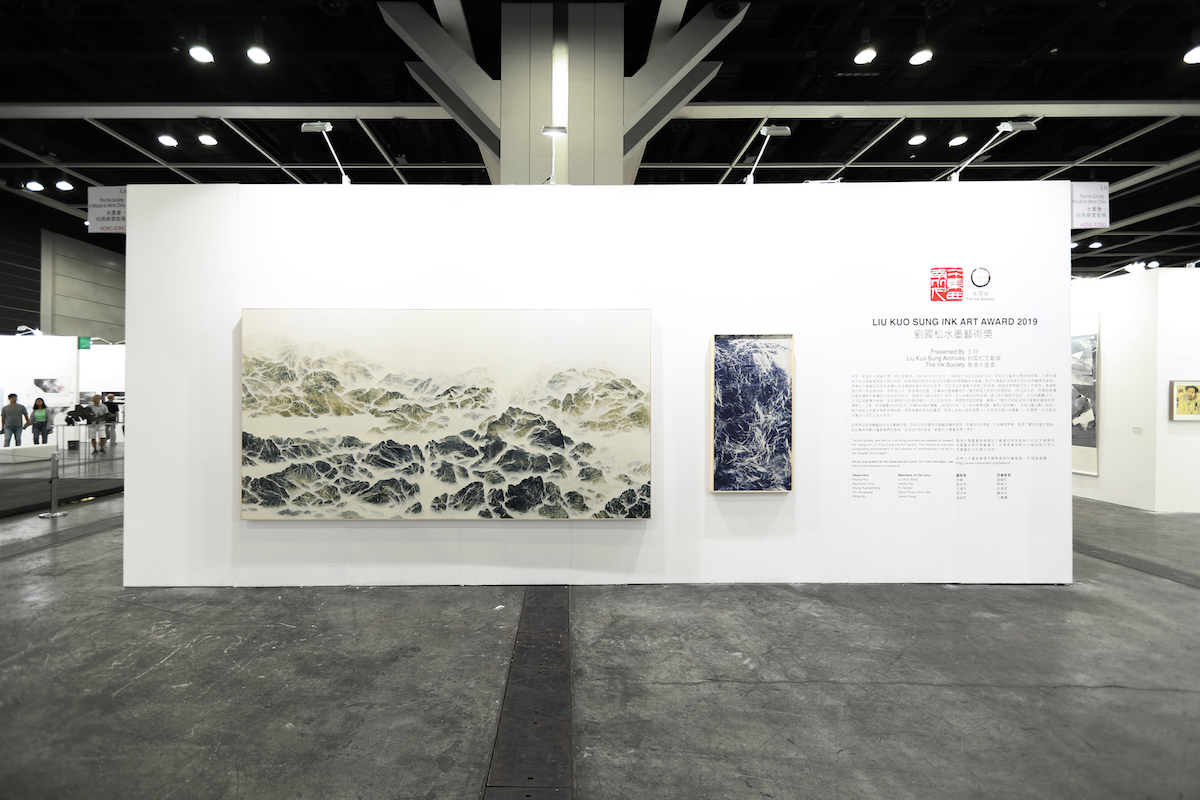
Wu Chi-Tsung approaches ink art with experimental techniques of new media art while consistently paying tribute to the traditions, which not only deepens the aesthetics of ink art but broadens it by his unique contemporary style. Therefore, his work has won the favor of the majority of the jury and became the winner of the first “Liu Kuo Sung Ink Art Award” in 2019.
The Ink Society and the Liu Kuo Sung Archives are pleased to present the inaugural Liu Kuo Sung Ink Art Award. The Award recognizes outstanding achievement in the creation of contemporary ink art in the Greater China region.
We are most grateful for the Observers and Jurists. For more information, see: http://www.inksociety.org/award/
Observers:
Shang Hui Raymond Tang Wang Huangsheng Wu Hongliang Philip Wu
Members of the Jury:
Liu Kuo Sung Lesley Ma Pi Daojian David Pong Chun Yee Jason Wang
IN FOCUS: Wu Chi-Tsung | Applying Traditional Practices to Contemporary Photography
photo credit: Yu Tzu-Chin
Taiwanese ‘on-the-radar’ artist Wu Chi-Tsung speaks to PHOTOFAIRS ahead of the Shanghai fair this month, where he will be exhibiting his fascinating works with Sean Kelly Gallery (New York & Taipei).
Interestingly, Chi-Tsung clarifies during the interview that he does not identify as a ‘photographer’, instead, he merges and unifies his extensive knowledge of multiple mediums to create dynamic, tactile-looking, and memorable artworks. The dilemma, the artist states, of distinctly categorizing art forms (such as painting, photography and contemporary dance), results in a ‘trapped’ mindset, thus limiting the potential for artists to develop and challenge themselves. PHOTOFAIRS, as a world-class art fair, aim to promote artists such as Wu Chi-Tsung, who are pushing the boundaries of photography and posing the question of how should photography be defined.
With an impressive portfolio including set-design, ink painting and video works, Chi-Tsung proudly represents what it means to be a contemporary artist in the 21st Century. We speak to the artist about breaking down barriers between mediums, the importance of preserving traditional methods and an exclusive step-by-step feature on how he creates the renowned ‘Cyano-Collage’ series…
“Sometimes it worries me that we have abandoned too many valued experiences and methods in traditional art as we transform too resolutely.”
PHOTOFAIRS: Your works display an exciting range of artistic mediums, such as painting, set design and photography. What is your thought process when deciding which medium to use for a project? What comes first, the idea and theme behind a project or the desire to use a specific medium?
WU CHI-TSUNG: Either way could be possible. Generally speaking, whenever I conceive a new project in any form, the language of painting is always my archetype. Every artist has his/her mentality, and painting is mine. For instance, the idea of ‘randomness’ from the eastern painting tradition (which partly is due to the nature of ink paints) is deeply rooted in me when I create my video installations and photography, like the Cyano-Collage series. I also imagine my art world via the spirit of paintings.
Wu Chi-Tsung photography work, Cyano-Collage 061, 2019, 205 x 205 cm
Part of PHOTOFAIRS’ objective is to explore the dynamic nature of photography as a medium, which includes presenting video works, installations and performance art to our audiences. One focus of the 2019 Fair is performance art and photography. With a career that involved set/stage design in collaboration with various institutions and performances, such as ‘Off the Map’ (2013) and ‘How Long is Now?’ (2017), how important do you think it is to combine performance art with other mediums such as photography, design or installation?
My experience in set design was mainly for contemporary dance. As dance itself might be abstract to many people, I consider it my duty to guide people to step into the world of the dance by visualizing certain elements. To me, what was the most difficult element of my job was to synchronize all the various elements on the stage. Every art form has its own time and space structure, and my duty is to organize everything to ensure they balance. For example, it is particularly difficult to apply videos to theatre, since the nature of the video is in the past, yet the performance is in the present. My experience in dealing with set design is similar to working with video installation; both require careful consideration of the relationship between the image and the space, and thus are more present than merely a single channel video.
Your artistic journey began with painting, where you gained a Bachelor of Fine Arts in Oil Painting from Taipei National University of the Arts in 2004. What lessons did you learn from studying painting that you can transfer to your photography?
It is an old tune if I talk about my understanding of painting. However, if I transfer it to another medium such as photography, new meanings are created, which is what I aim for when I work across different mediums. I find it odd that people have set categories of mediums due to functional concerns, which eventually become a mindset that has trapped the way we think. I always try to seek the universal relevance of things and create a dialogue to connect them. I would not consider myself to be specialized in photography. I use photography as a tool to contemplate and express my thoughts. In my photography works, a hint of how time flows from the exposure to the manual collage is visible. The work is not static but a record of movements. On the other hand, my video installations are rather static that has few scenarios or changes.
Can you please tell us more about the ‘Cyanotype’ photographic technique, and how you used this technique in your impressive ‘Cyano-Collage’ series, which you will be presenting at PHOTOFAIRS | Shanghai 2019. Did you face any challenges working with this medium? Please also inform us on the significance of using this technique to commemorate Taiwanese Artist and Art Critic Mr. Ni Tsai-Chin.
My process follows the format below:
1. Cover the Xuan paper with the photosensitive solution, continually reshaping and crumpling the paper by hand to create the wrinkled effect during the exposure.
2. Leave the wrinkled paper exposed to sunlight for about thirty minutes to an hour and washing the paper to let the image fixed
3. ‘Read’ the papers to choose what could be used from the collage. Normally I choose only a few papers from dozens. I put one Xuan paper on the canvas, using a brush to flatten it. Next, I apply acrylic gel five or six times to seal the structure of the Collage. Every time a new layer of paper is added. I use blank papers to adjust the composition — to bring out the landscape, to create the depth, and to erase part of the image to leave empty space for imagination.
4. Finally, I apply the UV protective varnish to protect the cyanotype from sunlight.
The whole process is a bit similar to working on ‘layers’ in Photoshop, but no computers nor cameras are involved. The Cyano-Collage Series is based on the combination of what I have previously experimented in the Wrinkled Texture Series, experimental photography, and the aesthetics of traditional eastern painting.
The first challenge I met is that the nature of the Xuan paper is very different from the photographic paper that is normally used for cyanotype photography. I gradually learned, from my experience with Xuan paper, the complexity and variability of the material. The paper western painting adopts, for example the watercolor paper, has a coating so that the pigments would remain on the surface no matter how thick they are. However, in the raw Xuan paper (without alum) that is applied in ink painting, the pigments are absorbed. The extent that the ink seeps through the xuan paper can be controlled, creating greater possibilities.
Working closely and consistently with these traditional methods and materials like Xuan paper makes me aware of their limitations in the modern era, but also urges me to think about a way to inherit it by transforming it into contemporary practice. When my works were exhibited in the west, people were very intrigued by Xuan paper and thought that it resembles fabric.
I was deeply influenced by my work as an assistant for professional artist Ni Tsai-Chin, who was an experimental ink painter, conceptual artist, art historian and critic. His value and interpretation of art altered how I used to think about our tradition, and that is the reason why I paid tribute to him in my work.
Your contemporary artworks often integrate traditional methods (such as Shan Shui to depict natural landscapes) into the process and overall aesthetic. How important do you think it is to maintain these traditional artistic techniques in photography today? Do you often notice other artists combining old methods with new in their artworks?
Many contemporary artists haven’t had the training of painting which makes it harder for them to comprehend the history of art from a creator’s point of view. Sometimes it worries me that we have abandoned too many valued experiences and methods in traditional art as we transform too resolutely.
People who only work in the contemporary art world would struggle to really understand what contemporary art is, and same for individuals who only focus on traditional forms. Personally, I appreciate Liu Jianhua and Yu Peng’s art, for they break the limitation of the traditions, whilst working closely with them. For me, working in the contemporary art world with traditional methods gifted me the ability to understand what is shared and what is irreplaceable.
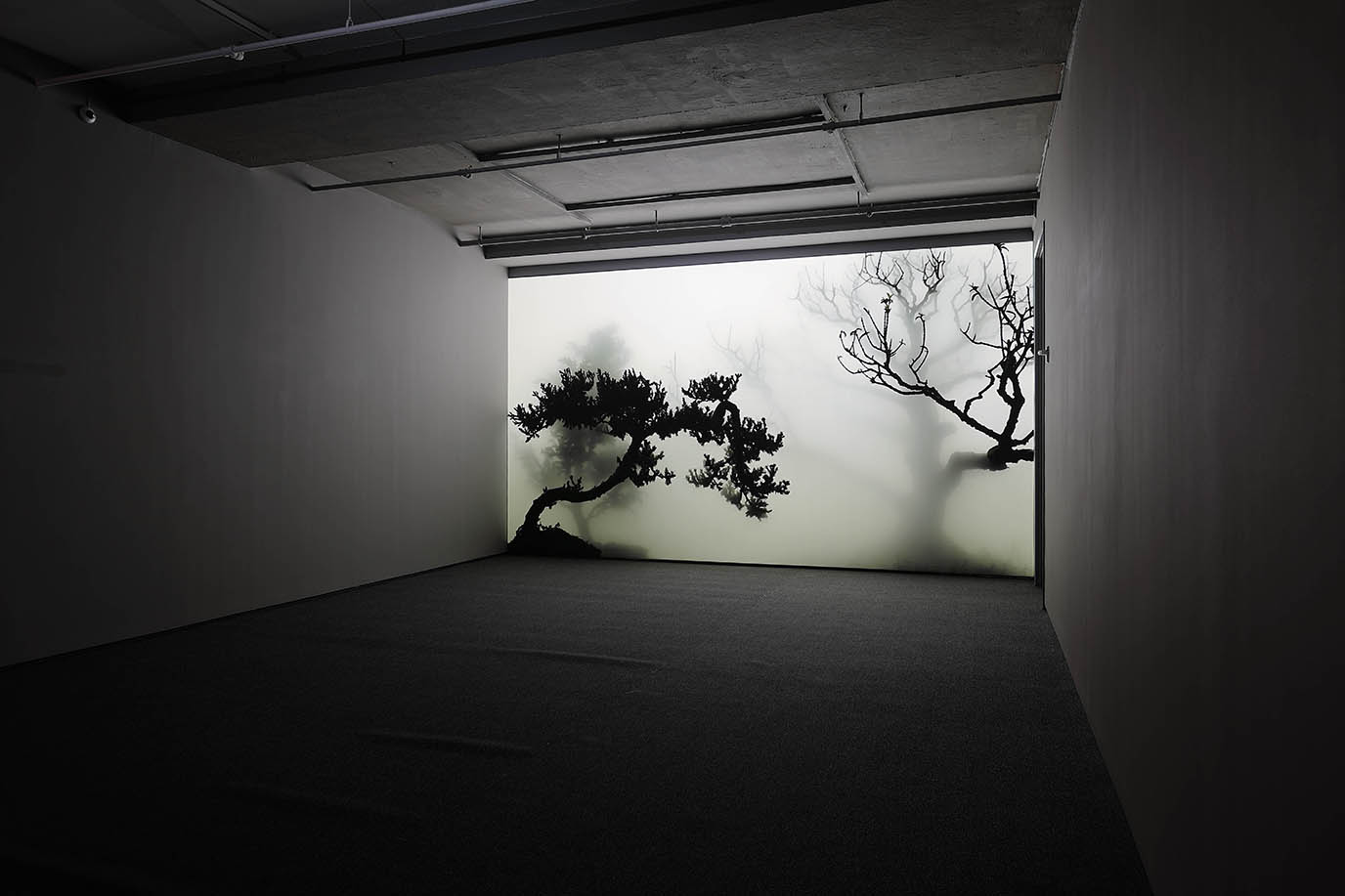
As well as the ‘Cyano-Collage’ series, Sean Kelly Gallery has also incorporated the series ‘Landscape in the Mist’ (2012) into their current group exhibition titled ‘Abstract by Nature’. When did you start experimenting with video? Why did you choose to use video for this project?
I started working with video in 2001 whilst at university. After I was trained in traditional painting for more than ten years before college, I started to explore different mediums from ink painting to video. For about a year I have been taking my video camera everywhere. I film everything to capture contemporary daily experiences. I have been trying to create a dialogue in the language of new media art between video works and the training in painting that I have received. My ‘Landscape in the Mist’ video originates from the ‘Still Life Series’, both of which are my earliest attempt to combine my experiences in video and traditional painting. The ‘Landscape in the Mist’ series was inspired by the impressive landscape paintings of Camille Corot, creating a poetic atmosphere with traditional eastern painting.
What are you most looking forward to at PHOTOFAIRS | Shanghai? As an artist that does not work solely in photography, why do you think it is important for your work to be shown at our Fair in September?
Usually, I am invited to present my works at an exhibition which is one of three categories: contemporary art (new media art), photography, or traditional ink art. I am very much looking forward to learning how my work will be seen and discussed under the narrative of photography as well as in the context of mainland China.
Artist Talk | Sep 21 5pm, participants: Ying Kwok (independent curator), Lindsay Taylor (Curator, University of Salford Art Collection), Sarah Fisher (director, Open Eye Liverpool), Lu Yang (artist), and Wu Chi-Tsung (artist)
Venue | Shanghai Exhibition Centre, 1000 Yan’an Road, Shanghai, China
For our inaugural appearance at Photo Shanghai, Sean Kelly is pleased to present a carefully curated booth drawn from our internationally acclaimed roster of artists, each of whom works with photography in non-traditional ways. Our presentation includes works by Marina Abramović, who is represented by a stunning self-portrait depicting the artist’s face covered in gold leaf; Julian Charrière, whose images of nuclear testing sites have been exposed to radioactive soil gathered from the locations where his images were taken; Jose Dávila, who appropriates images of famous artworks from other sources, which he then physically alters by cutting out and removing the focal point of the image; Mariko Mori, who creates computer generated photo paintings based on drawings she made standing in front of the ocean on Okinawa Island; Alec Soth, whose captivating multi-layered photograph of Monika is in fact a double exposed image; and Wu Chi-Tsung, whose process includes manipulating light sensitive cyanotype paper to create images of jagged mountain peaks that refer to currents in both traditional Chinese art and western art history.
Please also visit the Spotlight section of the fair which features Marina Abramović’s legendary series, ‘The Lovers’, being exhibited for the first time in mainland China.
Dates | Sep 6, 6pm till midnight
Venue | room 203, building X, Studios ID, Genslerstrasse 13-13a 13055 Berlin
Wu Chi-Tsung will be joining the Lange Nacht der Bilder 2019 to host an Open Studio event at room 203, building X of Studios ID, Berlin on Sep 6. During the event, the working progress of a new “Cyano-Collage” work will be presented and the artist will share those behind-the-scene stories.
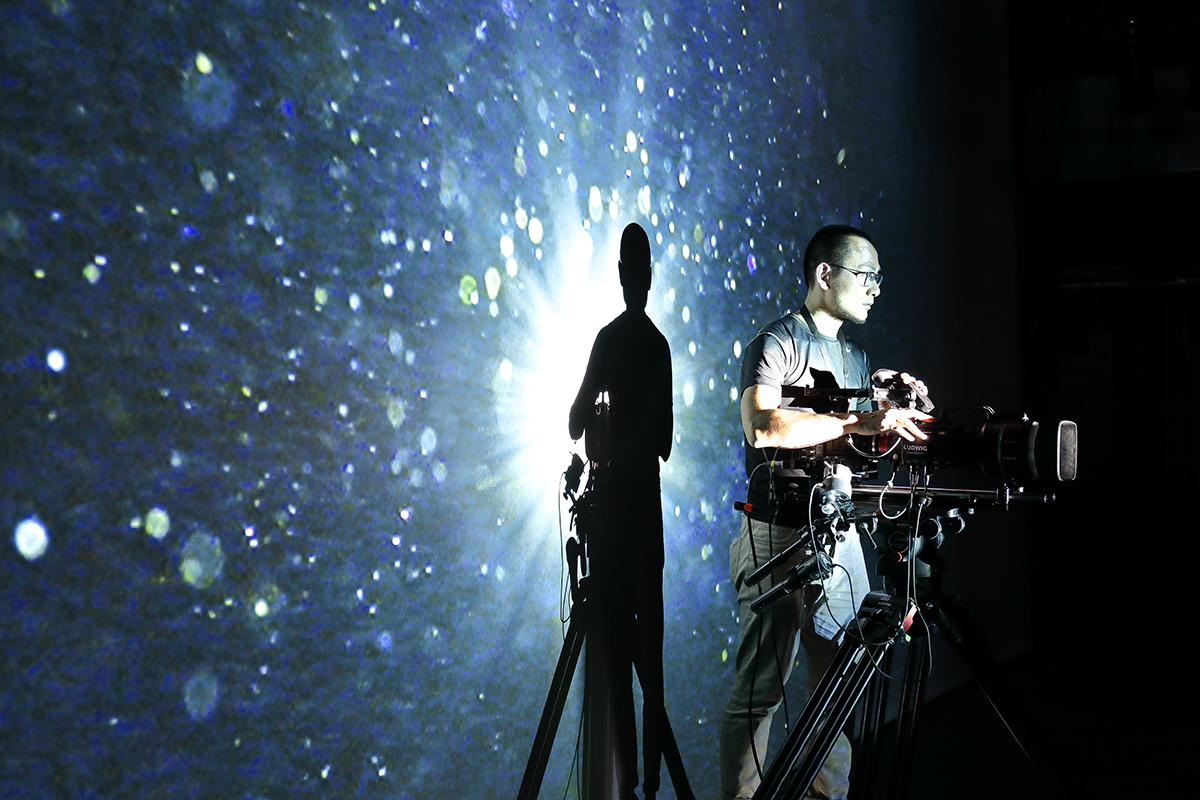
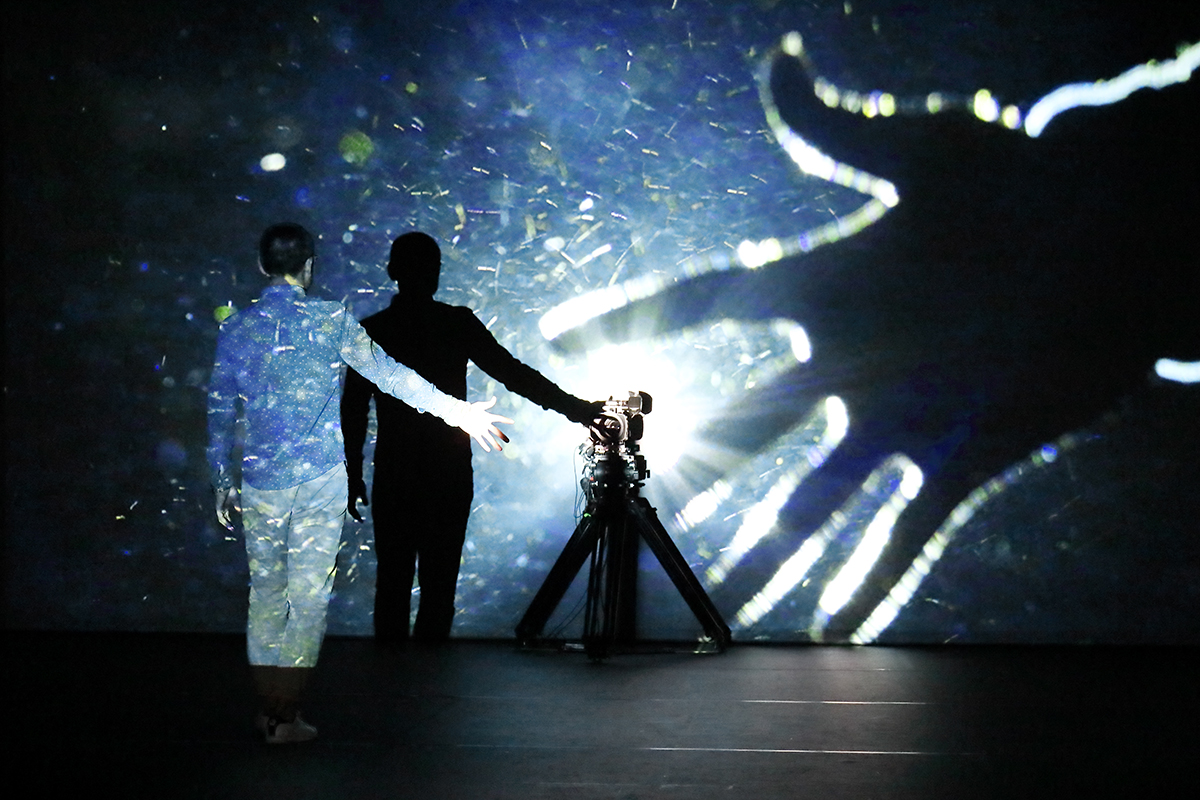
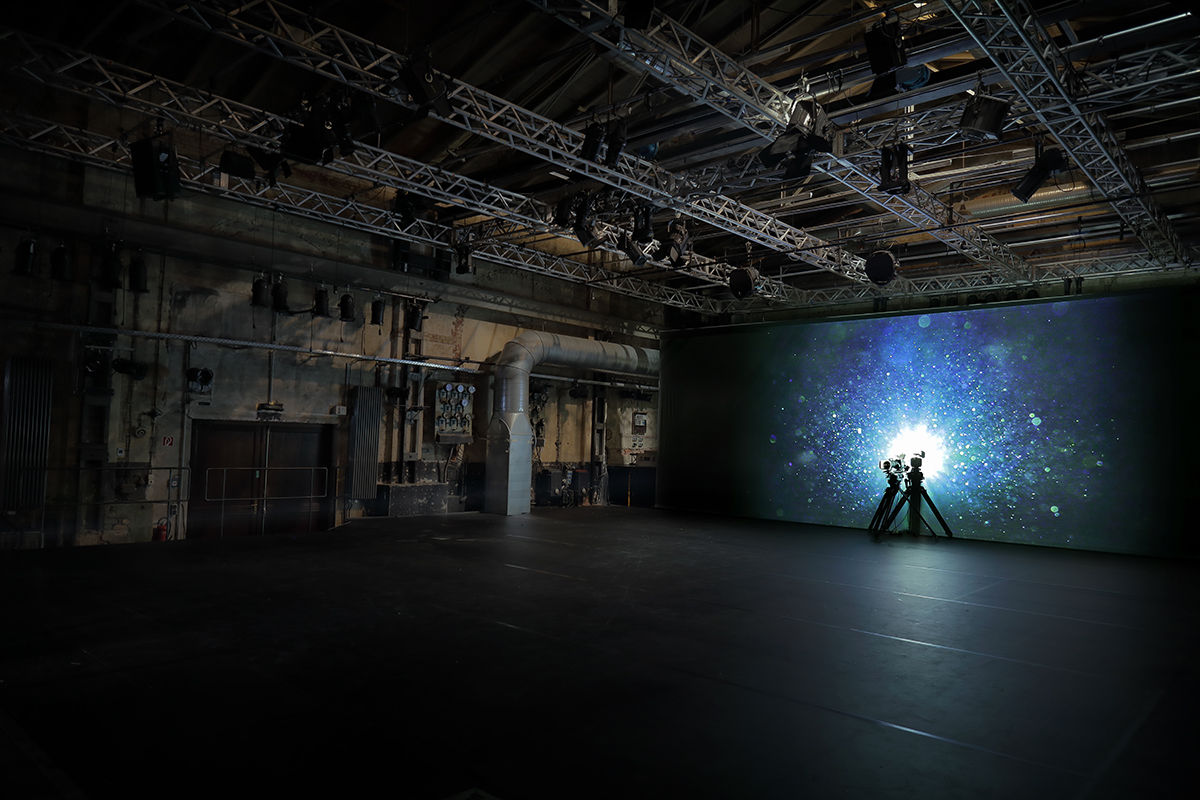
In cooperation with the Idolon studio headed by the Taiwanese curator Chun-chi WANG, the Kunstfest Weimar presents four installations that highlight the innovative power and relevance of Taiwan’s current art and performance scene. The first piece «E-Werk Weimar No. 1» by the artist TAO Ya-Lun confronts the viewer with an unsettling 3D borderline experience. His works often feature diverse forms which can range from video, sound and kinetic installations to light shows and shadow play. Most of his pieces are based on virtual reality and adapted to the specific venue where they are presented. Fujui WANG’s sound installation «Hollow Noise» is comprised of several directional loud speakers which produce carefully focused ultrasonic waves. His method creates the impression of a sonic wind blowing from various directions. The result is an absolutely new and surprising acoustic experience. On the stage of the E-Werk, WU Chi-Tsung presents the European premiere of his light installation «DUST». By means of optical tricks, the artist reflects normal ambient dust through the light of a projector, thereby making it visible to the naked eye. The «air» suddenly gains a structure of its own. The performance in this production is the work of the Taipeh-Paris resident artist, performer and musician Liping TING. «Poésie d’action» is how she describes her multidisciplinary approach. She will enliven the installation environment in the two halls of the E-Werk with a three-hour-long performance.
On September 7th, the artist will be delivering an artist talk on ‘The crossover between visual art and performance art in Taiwan’ with Thomas Bruns, manager of the KNM Berlin, and Liping Ting, Taiwan-born artist on performance art, and with curator Chun-Chi Wang as moderator.
For tickets and more visiting information, please click here
The work of Wu Chi-tsung (* 1981 in Taipei, lives and works in Taipei and Berlin) is multi-faceted. Early on taught in ink painting and calligraphy, then in his twenties in dealing with oil painting, media art and architecture, he still works today in various media. Although brush and paint are no longer found in his studio, he nevertheless feels most at home as a painter and retains the traditional arts as a strong reference for his work. Starting from there and working in video, installation, cyanography and other media, Wu creates subtle signs that cross the ages and build a bridge to the contemporary. For his exhibition in Gießen he will combine a selection of existing works with a photographic edition.
‘Landscape in the Mist 001′ will be showcased in ‘Abstract by Nature’
Abstract by Nature, Sean Kelly, New York
Dates|Jun 28 – Aug 2, 2019
Opening Reception | Jun 27, 6 – 8 p.m.
Artists|Callum Innes, Markus Karstieß, Hyun-Sook Song, Su Xiaobai, Wu Chi-Tsung
Venue|475 TENTH AVENUE, NEW YORK NY 10018
Wu Chi-Tsung will be joining the group exhibition Abstract by Nature in Sean Kelly New York. Opening on Jun 28, the group exhibition will be featuring major works by an international group of artists, each of whom engages both traditional and non-traditional methods to produce meditative works that have a distinctly timeless quality. Wu Chi-Tsung’s Landscape in the Mist 001, Still Life 009 – Maple, Still Life 011 – Tsubaki and Cyano-Collage Series 061 and 062 will be featured, all of whom shares the claim of the exhibition, that is to reflect, evoke or transform elements of the natural world into pure poetic forms.
The exhibition will be on view till Aug 2, with an opening reception in the presence of the artist on Thursday, Jun 27.
《氰山集》系列新作將於紐約尚凱利畫廊展出
自然抽象
尚凱利畫廊,美國紐約
日期|2019年6月28日 – 8月2日
開幕酒會 | 6月27日 晚 6 – 8時
藝術家|Callum Innes, Markus Karstieß, Hyun-Sook Song, 蘇笑柏、吳季璁
地點|美國紐約第十大道475號, 10018
吳季璁將參與由紐約Sean Kelly畫廊群展《自然抽象》(Abstract by Nature)。展覽將呈現多名國際藝術家的多種媒介的當代藝術作品,一同展出還有來自中國唐宋時代、日本平安時代、室町時代的古董瓷器,旨在呈現一場傳統美學與當代實踐之間的互文對話,探討藝術的超時空屬性。展覽將展出吳季璁作品《煙林圖之一》、《小品之九 楓》、《小品之十一 茶花》 與《氰山集系列》,這些作品以不同形式映照並致敬自然,為自然的詩意抽象。
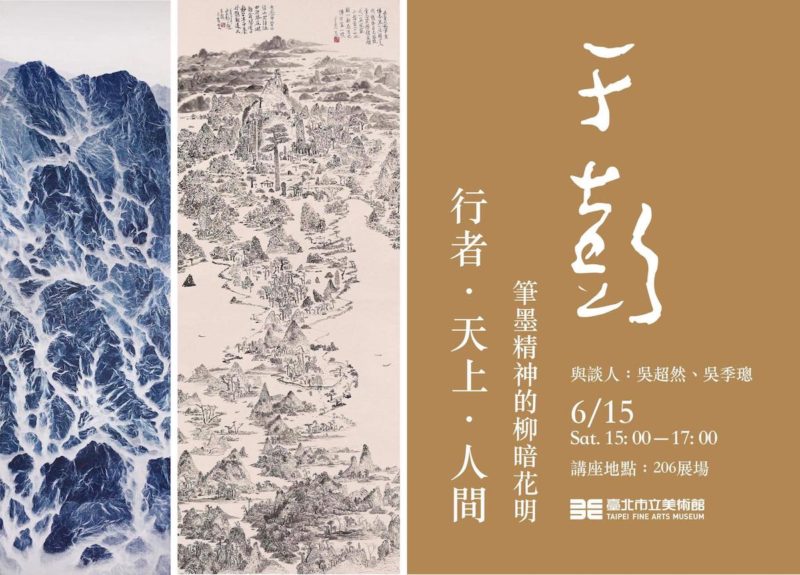
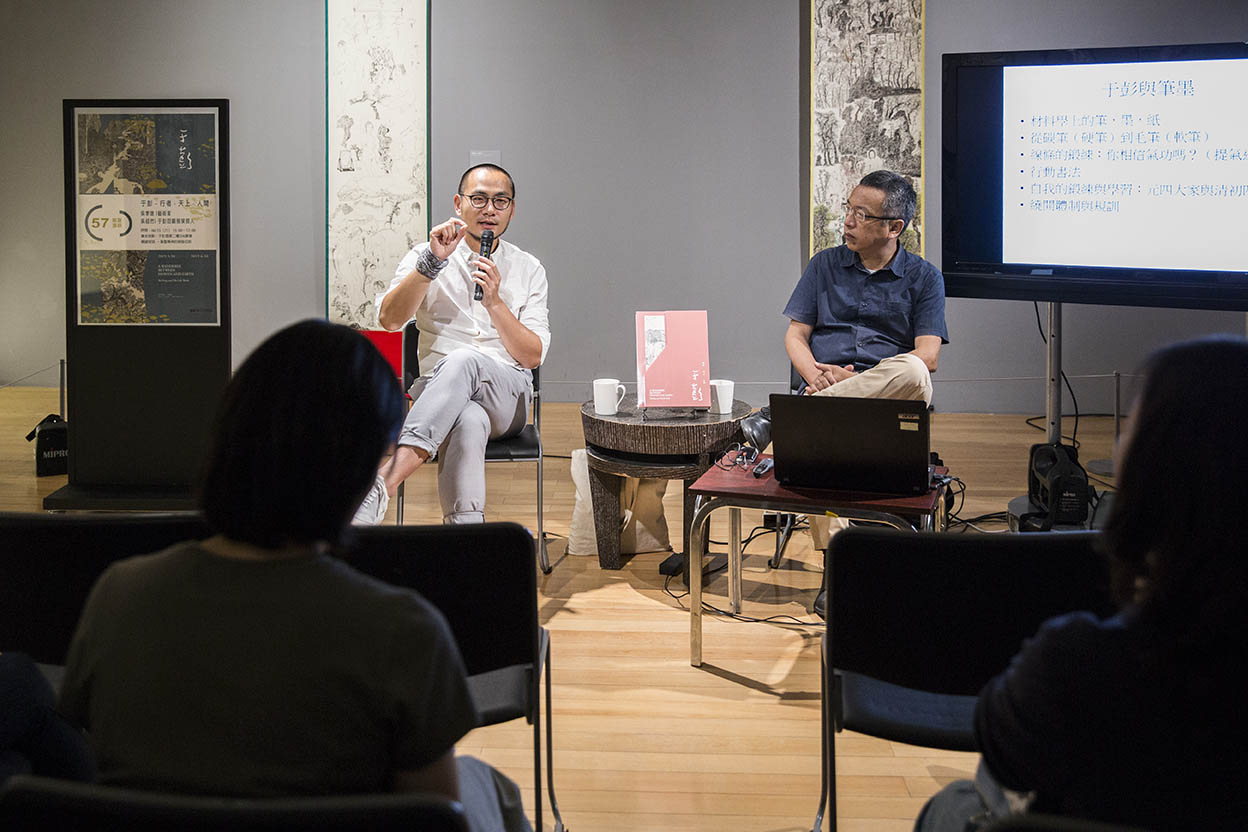
Wu Chi-Tsung will be delivering an artist talk with Wu Chao-Jen (吳超然), guest curator of the current exhibition ‘A Wanderer between Heaven and Earth: Yu Peng (于彭) and His Life Work’ this Saturday. The artist and the curator will talk about the ‘formalism’ of brush and ink (筆墨) in Yu Peng’s work, his transformation from the western hard-pen sketches to eastern brush and ink (軟筆) and the reinterpretation of brush and ink in the contemporary context, etc.
Art Promenade on ‘A Wanderer between Heaven and Earth: Yu Peng and His Life Work’
Jun 15 15:00 – 17:00, Taipei Fine Arts Museum
Artist/commentator: Wu Chi-Tsung, Wu Chao-Jen
Location: Gallery 206, second floor, Taipei Fine Arts Museum
吳超然,「行者‧天上‧人間─于彭回顧展」策展人。2002年獲美國堪薩斯大學藝術史博士,曾任國立台北藝術大學美術系兼任講師(1998-2001),靜宜大學人文科專任助理教授(2002-2003)。2003年至今擔任東海大學美術系助理教授。曾策畫的展項:「水墨 x 複數─新世代水墨展」(高雄小畫廊,2017),「記憶的交織與重疊─後解嚴台灣水墨」 (國立台灣美術館,2017),「筆墨的當代性」(東海大學藝術中心,2009)等。學術專長:中國近現代藝術史,藝術史學方法論與中國書畫史。
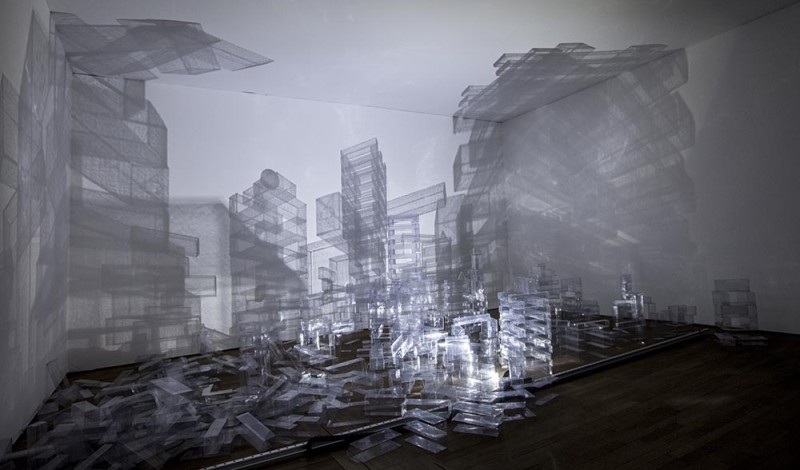
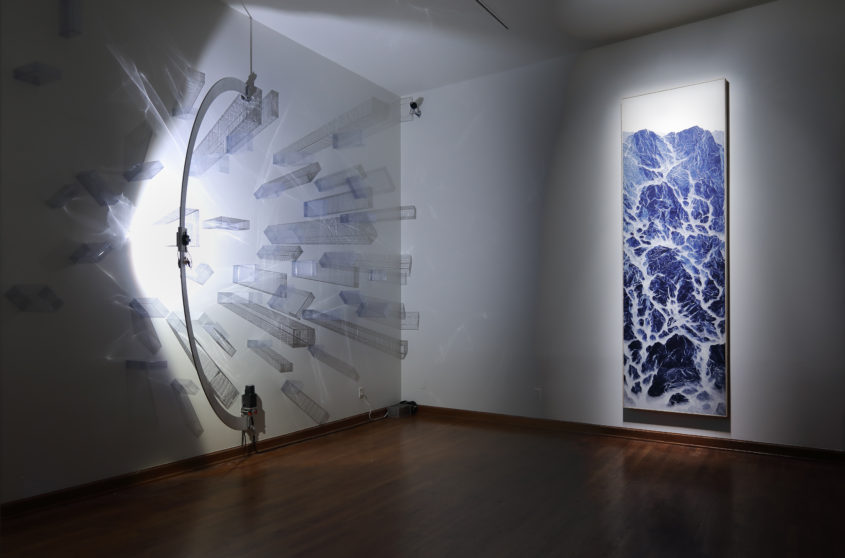
Wu Chi-Tsung work Crystal City 003 was donated to M+ Hong Kong by Hong Kong collector Hallam Chow. The artist uses clear, rectangular plastic packaging of different sizes to construct a miniature city and illuminated it with moving light. The resulting cityscape of light and shadows is both a romantic mirage and a pile of industrial waste, making the installation a sharp commentary on contemporary life, which meets the focus of M+ collection.
Wu Chi-Tsung’s Cyano-Collage 50 has recently joined the Post Vidai Collection, the largest private collection of contemporary art in Vietnam. Cyano-Collage 50, created during the artist’s residency at MoT+++ space in Ho Chi Minh city, could be regarded as a reflection and confirmation of Post Vidai’s long-lasting pursuit to unsettle the definition of ‘Vietnamese-ness’.
Venue|Somerset House|Strand, London WC2R 1LA, England
Artists|Wu Chi-Tsung, Chen Rong-Hui
We are pleased to share with you that several photography and video works of Wu Chi-Tsung will be joining the upcoming Photo London represented by the UP Gallery. Now in its fifth edition, Photo London has established itself as one of the major leading lens-based art fairs in the world.
This time, Wu Chi-Tsung will be cooperate with the UP Gallery, one of the rare galleries in Taiwan that is solely dedicated to exhibiting photography and moving image works, presenting his Cyano-Collage Series, Still Life Series and Wrinkled Texture Series. Developed from the Wrinkled Texture Series, the Cyano-Collage Series has become one of the most representative series of the artist. An innovative language of photography is developed within the artwork that combines the cyanotype technique, the collage method, as well as the wrinkled texture technique from traditional landscape painting and the aesthetics thereof. Wu Chi-Tsung’s long-lasting exploration in art could be reflected here, that he seeks the way to accommodate both the spiritual and nostalgic landscapes and the scientific and mechanical recording media, and further let them question, reinforce, and develop each other. The Still Life Series place more weight on the universality of traditional beauty, as well as how it is eternally unpredictable and uncertain. Upon the melancholy grounding color, what is recorded is exactly the artist’s mixture feeling of fascination and helplessness towards the beauty.
We look forward to welcoming you at Booth D12 at Photo London. We will also keep you updated via Wu Chi-Tsung’s Instagram accounts and public website.
Galerie Du Monde|3E18 Dates|March 29 – 31, 2019 Private View|March 27, 2pm to 8pm March 28, 1pm to 5pm Vernissage|March 28, 5pm to 9pm Venue|Convention & Exhibition Center, 1 Harbor Rd., Wan Chai, Hong Kong
Two major movements of Postwar Asia will be the cornerstone of Galerie du Monde’s presentation.The Fifth Moon Group and the One Art Group both sought to re-contextualize the millennia-old tradition of Chinese ink painting at different times in different places -1950s Taiwan for the former, 1970s Hong Kong for the latter. By infusing the medium with Modernist influences, both groups gave it an innovative impulse that remains influential to this day. Powerful pieces by key protagonists, such as Liu Kuo-Sung and Fong Chung-Ray, along with the late Kwok Hon-Sum, will be on view. Besides, Wu Chi-Tsung’s most representative works Cyano-Collage Series, Still Life Series, and Wrinkled Texture Series will all be exhibited.
Wu Chi-Tsung’s works Wire V, Crystal City 007, and Cyano-collage 047 will be showcased at the Lightscapes: Re-envisioning the Shanshuihua at the Chinese American Museum, Los Angeles, USA
Duration: Feb.7 – Nov.10, 2019 Venue: Chinese American Museum, Los Angeles, USA Participated artists: Wu Chi-Tsung and Nice Dong
Lightscapes: Re-envisioning the Shanshuihua 光之景: 山水畫的當代想像 presents works from Nick Dong and Wu Chi-Tsung, two Taiwan-born contemporary artists. Re-imagining the philosophies of Chinese landscape paintings, the exhibition brings forward new media works and immersive light-based installations that are not often explored within this genre.
This time, Wu Chi-Tsung ‘s representative works Wire V, Crystal City 007 and Cyano-collage Series are exhibited, in which light has featured foundamentally and prominently exploring the posibilities of light in the physical world while revealing the surrealistc Shanshui landscape in our contemporary experience. Corresponding to the historical building located in the original China town of the museum, the art works would guide viewers to wander through the juxaposition of abstraction and solidness, as well as traditions and the modern world. The exhibition will be on view till November 11, 2019.
This exhibition is presented by the Chinese American Museum in partnership with the Ministry of Culture, Republic of China (Taiwan) and the Taiwan Academy in Los Angeles. Major support for this exhibition is provided by the Friends of the Chinese American Museum, and El Pueblo de Los Angeles Historical Monument.
About Chinese American Museum
The Chinese American Museum (CAM) is the first museum in Southern California dedicated to the Chinese American experience and history in this region. Symbolically housed in the oldest and last surviving structure of Los Angeles’ original Chinatown, the 7,200 square foot Chinese American Museum (CAM) embodies a cultural and physical link to the past, as well as a promising point of entry for the city’s multicultural future. CAM is dedicated to researching, preserving, and sharing the experiences and contributions of Chinese Americans in the United States through quality exhibitions, programs, events, publications, and workshops. In addition to its role in the community as an active-learning institution, CAM is also proud to serve as a visual symbol of new and emerging traditions.
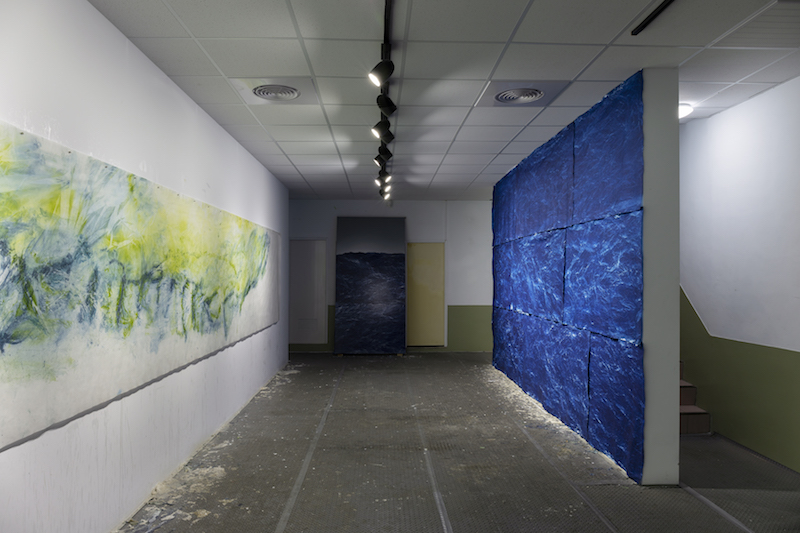
As a collage of sheet iron, concrete, and colorful posters brimming with unique and strong Taiwanese character, a glimpse of the exhibition site itself located in a film studio hidden in an industrial district inhabited by a driving school would have started the visitor’s journey of an unusual cultural experience. Taiwanese artist Wu Chi-Tsung’s solo exhibition ‘ECHO’ curated by Wu Chi-Tsung Studio and Galerie du Monde, a Hong Kong-based gallery of contemporary art, will be open to public from January 18th to 20th 2019 in parallel with Taipei Dangdai. The exhibition is a reflection of oriental aesthetics in the shape of contemporary art, presenting a new horizon in the spectrum of worldwide art practice.
The philosophy of Wu Chi-Tsung’s work is a fusion of conceptual approach of experimental contemporary art language and visual language from the cultivation of classical eastern aesthetics. The ‘ECHO’ refers to the mirroring culture between the East and the West. Hence, the eastern tradition and their pursuit of the intangibility is contrasted with the contemporary language and the depiction of the solid world of the West throughout the exhibition.
‘Trained by both eastern and western traditional art academia yet focusing on contemporary media and conceptual art, I always reflect on the difference between eastern and western culture, as well as the contradiction between traditional art and contemporary art. It is a shame to witness the decay of traditional cultures and aesthetics that are exclusive to eastern cultures,’ says Wu Chi-Tsung, ‘as a result, I fuse and accommodate new and old, the West and the East in my recent works. The multicultural environment in Taiwan has nourished me. Living in an era that pursuits the zeitgeist, I’d rather be fascinated by those that are timeless. It is the light, the base of visual sense, that illuminates the tangible world as well as the invisible spiritual field and unveils the hidden commonness that is shared by every object from an essential perspective.’
Immaterial landscape yet realistic atmosphere
Upon the visitors’ first step at the exhibition site, they would soon be impressed by the atmosphere of the faint-lighted room composed of environmental music and the sound of axles. Following the guide of the shimmering light, what comes to people is a phantom city like a set of crystal sculpture which is a continuation of the artist’s renowned Crystal City Series. This time, the exhibition presents the artist’s new work on this series, the Crystal City 008, which is inspired by Hong Kong’s city landscape and its pace of life. Numerous transparent plastic boxes constitute the geometrical, rational and ordered skyscrapers shadowed by a vertically moving light source. Corresponding to the Crystal City 008, an on site production is created using plastic sheet as stretching and undulating mountains, and is set with several branches. A mechanical construction with HID light on its forepart moving forwards and backwards is running on a track that passes through the ‘mountains’, casted from where the shadows of the ‘mountains’ and the branches entwine. The ordinary materials used in this art work remind viewers of the realistic world; however, it leads people to a further imaginary scene. The shadow is casted on thin veils built upon industrial steel frames. How romantic and vulnerable, yet enormous and fathomless it is when the shadow of the crystal city moves slowly on the veils, and the boundary between the reality and illusions is blurred when the shadow is overlapped with that of the visitors as they walk through the ‘city’.
Blending the tradition and the contemporariness
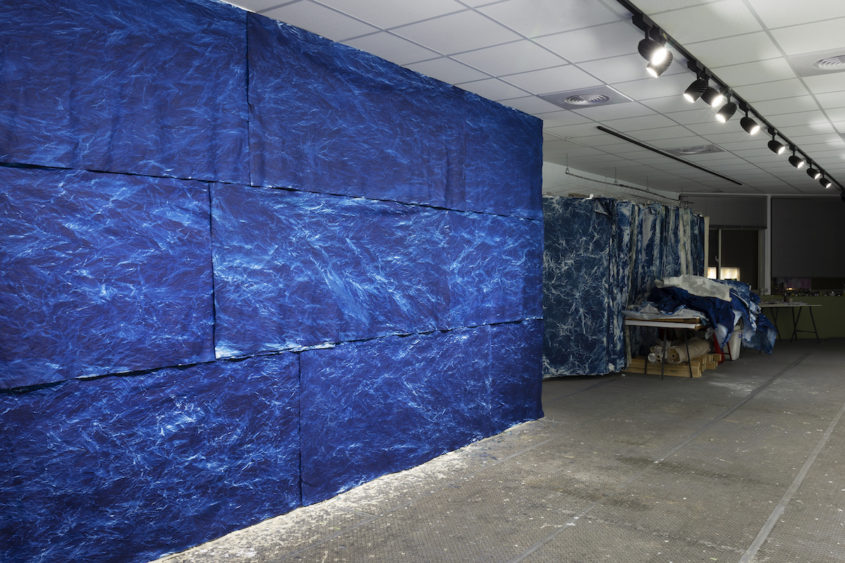
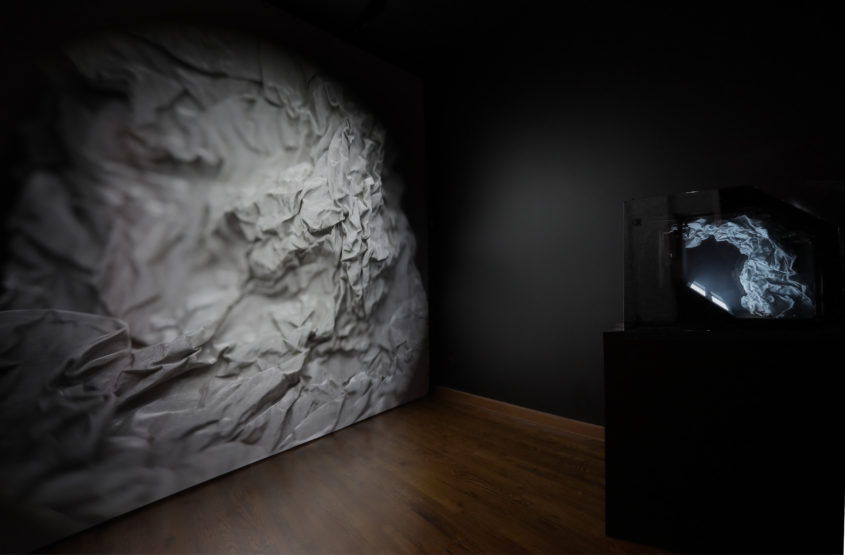
Another on-site production in the exhibition is the Wrinkled Texture Series that characteristically reinterprets the texturing methods (Cun-Fa) of traditional Chinese landscape painting (Shan Shui) by photography to render the mountains and rocks in a subjective way. Pluralism and liberal spirit are rooted in Wu Chi-Tsung’s art. This time, the mountains and cliffs are portrayed on a huge screen that is composed with few aged door sheets with different styles, and set in an open ‘bedroom’ setting. The artist utilizes and modernizes the classic photographic technique – Cyanotype. Paper was covered in the photosensitive solution and then continually reshaped and refolded while being exposed to sunlight. After the paper was washed, the image would be fixed, revealing the likeness of mountain precipices and cliffs. It applies Photogram technique to record the random variations of the folded paper during the exposure aiming to blend traditional Chinese landscape (Shan Shui) with experimental photography, conceptual art, and performance, and hence to eradicate the border between traditional and contemporary art.
Unveiling the exceptional aesthetic in ordinary objects
After stepping out of the bedroom setting, visitors would be guided by a plants lining pathway to a wilder space of ruins. Bringing a scene of magnificence, the 488cm x 244cm Cyano-collage is by far the largest piece of the Cyano-collage Series. Based on the technique of the Wrinkled Texture Series, the Cyano-collage Series cut and regroup dozens of cyanotype photographic papers before mounting them on a canvas. Layers of rice paper constitute a purposeful preservation of unpainted space on the canvas that echoes the crucial concept Liu Bai in classical Chinese paintings. Moreover, with the bodily participation of the artist, the landscape is constructed to be appreciated both statically and on the move. Thus, the viewers are led by the art work from a concrete and solid reality embodied by the random mountain-shaped wrinkles on the photographic paper to a microscopic and imaginary world where the shadows representing traditional Chinese landscape (Shan Shui) appear. Which mountain is the ‘real’ one between them? Carrying the idea of utilizing ordinary objects to create an exceptional visual experience, the Wire V stands at a corner of the ruin site. Based on the structure of the Magic Lantern slide projection work, the Wire Series use a mechanical control to repeatedly adjust the focal length to transform a regular piece of wire mesh into a moving image of a dynamic Chinese landscape (Shan Shui). This Dialectical alteration of the wire has composed a different layer and possibility to the traditional Chinese landscape as a new visual language under the digital age. The Cyano-collage and the Wire V both embody Wu Chi-Tsung’s recent focus, that is to salute to and reflect on eastern traditional aesthetics and literati spirits by machinery and photography mediums.
Kelvin Yang, director of Galerie du Monde, says ‘What is delivered throughout this exhibition is not simply nostalgia but also a personal manifesto from Taiwan to the world. To dig out the characteristic DNA in Wu Chi-Tsung’s art has been our premiere pursuit of this exhibition from the very beginning which can be seen from our unconventional exhibition site selection. Wu Chi-Tsung never limits himself in his talent on traditional subjects. His liberal spirit and his light-and-shadow philosophy make his works combine both sense and sensibility.’
Artist Talk|inter : enter – International Networking of Art in an Asian Context
Date|2019 Jan 20 (Sun) 17:30-19:00
Commentator|Phenix Luk (Writer, former editorial director of The Art Newspaper China, co-founder of Beijing International Short Film Festival)
Event Sponsors|Draft Land, Weightstone Vineyard Estate & Winery, IL MERCATO, The Naked Grouse, WAGA STORE
Media Partner|Prestige
Publicity Support|tap+
Multimedia Support|FOCAL
吳季璁個展《東橋西照 ECHO》 照見感性的詩意與理性的辯證
展覽期間|2019年1月18日(五)-1月20日(日)
開放時間|1月18日 17:00-19:00;1月19-20日 17:00-22:00
展覽位址|台北市南港區南港路三段133號2樓 MAK7 Studio
鐵皮、水泥、繽紛招牌拼貼出一種獨特而濃郁的台灣味。走進隱身於南港工業區及駕訓班中的實景攝影棚前,觀展者自場域所接收到的視覺訊息便已踏上了一場不尋常的、充滿期待的感官與文化之旅。台灣藝術家吳季璁個展《東橋西照 ECHO》,這個在台北當代展期間備受各界矚目的會外展,由立基香港並長期專注經營現當代藝術的世界畫廊 GALERIE DU MONDE偕吳季璁工作室聯合策畫,於2019年1月18日至20日正式對公眾開放,展覽核心以當代藝術映照東方美學,在縱貫古今、橫越東西的創作實踐中,展現當代藝術嶄新的開闊視野。
GALERIE DU MONDE總監楊永金表示:「《東橋西照 ECHO》所反映的不僅是對傳統文化消逝的關懷,更是吳季璁由台灣對世界發聲的宣言。在台北當代這個匯聚國際藝術世界對話的新場域中,如何從打破常規的展場選址思考開始,挖掘出吳季璁特有的DNA,是本次個展策畫中最為核心的題旨。吳季璁不囿於傳統素材的創作才華,從隨機中釋放自由的寫意,以及兼容感性與理性的思維脈絡,在每一件作品中照映出吳季璁獨有的光影哲學。」
藝術家座談|inter : enter – 從立足亞洲的當代突圍國際藝術生態
時間|2019年1月20日(日) 17:30-19:00 (17:00入場)
與談人|陸曉凡 (寫作人,曾任《藝術新聞/中文版》(The Art Newspaper China)編輯部主任、北京國際短片聯展聯合創始人)
Wu Chi-Tsung was interviewed by Mickey Huang on Taiwanese TV station BLTV. In the interview, he reviewed on his latest solo exhibition ‘ECHO’ held in Taipei, and discussed about his observasions on the international art world and art market.
Presented by Galerie du Monde, Wu Chi-Tsung’s new Cyano-Collage and Still Life works showcase at Taipei Dangdai Art Fair.
Galerie du Monde at Taipei Dangdai Art Fair|Booth C03
VIP Preview|Jan 17 2-5 pm
Vernissage|Jan 17 5-9 pm
VIP Only Access|Jan 18-20, 11-12 am
Public Days|Jan 18, 12-8 pm; Jan 19, 12-7 pm; Jan 20 12-5 pm
Venue|Taipei Nangang Exhibition Center, Hall one, 4F, Jingmao 2nd Rd., Nangang Dist., Taipei City, Taiwan
Artists|Fong Chung-Ray, Kwok Hon Sum, Wu Chi-Tsung and Crystal Liu
Galerie du Monde will feature four contemporary ink artists, Fong Chung-Ray and Kwok Hon Sum, representing the early period in the development of contemporary ink painting based on traditional cultural tenets and standards; Wu Chi-Tsung and Crystal Liu, representing the current innovation of ink related contemporary paintings who stretch boundaries of ink art playing with new media and unusual materials. Exhibiting the work of these four important artists at Taipei Dangdai will provide the audience with an in depth experience in the growth and evolution of the movement of contemporary ink painting from the 1970s to the present.
Artist talk: Mountains and Rivers of the… Conversation between Bang Nhat Linh and Wu Chi-Tsung, Dec 14, 6:00 – 9:00 pm
Venue: MoT+++, 1057 Đường Bình Quới, Phường 28, Bình Thạnh, Hồ Chí Minh, Vietnam
From October to December 2018 the MoT+++ space will be converted into the working studio of visual artist Wu Chi-Tsung. During his residency, Wu Chi-Tsung will develop new works in his experimental photography series of Cyano-Collages. The public will have the opportunity to see Wu Chi-Tsung’s work in progress on select dates during this period.
Conventional cyanotype photography uses objects placed on paper to create a negative or imprint of the object in white against a cyan-blue background. The paper, having previously been covered with a solution, is exposed to an ultraviolet light source, such as sunlight, causing a chemical reaction that results in the distinctive blue colour, and leaves unexposed paper white. Wu Chi-Tsung uses the cyanotype method to create large abstract photographic works that echo the mountainous landscapes of traditional Chinese Shan Shui ink and brush paintings.
Following a two-month residency at MoT+++, Wu Chi-Tsung’s studio will be opened to the public and placed in conversation with the installation work ‘Summer Grasses’ by Bang Nhat Linh. visitors are welcome to MoT+++ to see the interactions between works from the two artists. originating from Hanoi and Taipei respectively, Bang Nhat Linh and Wu Chi-Tsung’s artworks sensitively respond to centuries of geopolitical tensions in the region, as well as the personal histories of each of the artists.
MoT+++ 藝術家駐村計畫
駐村時間:10/22 – 12/15, 2018
展期: 12/15, 2018 – 2/2, 2019
藝術家座談: Mountains and Rivers of the… 與Bang Nhat Linh的對話,12/14 6-9 pm
地點:MoT+++, 1057 Đường Bình Quới, Phường 28, Bình Thạnh,胡志明市,越南
Duration: 2018 November 8-11 Venue: Tank Shanghai, No.2555 Longteng Ave. Participated artists: Wu Chi-tsung, Zeitguised, Eponine Momenceau, Tomás Saraceno, Frederik Heyman Curator: Davide Quadrio
Arthub teamed up with NOWNESS to present a new group show called “naturalunnatural” as part of “experiments” opening on 8th November in Tank Art Project Space Shanghai.
“界” refers to boundaries as well as interfaces. They are the dual-universe that are opposites and close ties at the same time. It is an experimentation of moving images that transcends boundaries and goes beyond perception between the dynamic sound and image, between the undefined time and space. Unlimited to a single-sided engagement, exploring the intertwined relationship between different media and forms.
In this exhibition, Ryoji Ikeda, a leading figure in Japanese electronic music and visual arts, will be exhibiting at Tank No.1 of the TANK SHANGHAI. Tank No. 2 will be hosted by Laure Prouvost, an artist who will represent France at the Venice Biennale in 2019. A group exhibition of “ Naturalunnatural – How will be remembered in the future?”, curated by Davide Quadrio of Arthub, will also be presented. In addition, in the Tank No. 3, artist Lu Sisi will perform a special piece for the opening party. The event is not only the first public exhibition of TANK SHANGHAI, but is also a special project of the Shanghai Biennale 2019.
Naturalunnatural
How will we be remembered in the future?
text/Davide Quadrio
For this exhibition, I have been invited by NOWNESS to explore the fragile interstice between nature, sustainability, beauty, and artificiality. The title of the show natural-unnatural refers to a way that the scientific progress has brought nature into a far complex realm of ambiguity which the artworks selected here present responding to this call: What are we doing? How do we interact with Nature and how ecosystems are built and protected? How is natural beauty compromised or enhanced by the artificial?
The artists invited to this group show which illustrates the incredible new space at Tank Shanghai Project Space. This show is a journey that invites to reflect about beauty as an uncontroversial quality of the human and moves the visitor into a realm of sensuality and inevitability. This show is a journey to the discovery of the fragility of this world of natural beauty contaminated and changed into a world of plasticity and deformations, where the humanity in its comprehensive technical development, challenges Nature and transforms it into risky territory for the future of our children. This process and all its risks though are per se beautiful and in this sense dangerous, disturbing and potentially explosive.
The exhibition is not about accusing or criticizing, instead it is an ode to the attention of beauty from recycle the present and attempt to shape the future. These images, whether based on fact or fiction, tell us how people want to remember and be remembered. They expose the desire to overcome time, space and a physical presence. The feelings of the body, the joy of the senses bring us into a world of wonder in a ludic way.
The exhibition opens by Wu Chi-Tsung, born in 1981 in Taipei, who devotes significant attention to the methods used in producing and interpreting images. In Still Life 006 – Chrysanthemum (小品之六菊), 2017, Wu is inspired by a cherished memory of the act of painting, the overwhelming beauty is here somehow shadowed by a sense of loss and guilt, almost like creating images of such beauty, is a betrayal of art and its subversive nature. This overwhelming beauty, practically a frozen image, performs the duty to open the show and to create the tone of the entire show to come.
The second room occupied by Zeitguised. The collective founded in Berlin in 2001 by Jamie Raap and Henrik Mauler, Zeitguised is a studio of art and digital design, specializing in the production of visual projects (both commercial and independent) of an algorithmic nature. The piece “Flotsam & Jetsam: Monobloc,” 2016, treats the ubiquitous plastic chair as a contemporary design classic in a continuous tension with character. The tree trunk, the only natural element in a world of plastic, presented here as the plastic chairs suffocate a mere corpse. The enormous hovering cloud of iconic chairs that behave like flotsam and jetsam in breaking waves is an image of poetry in the form of an algorithmic Perpetuum mobile.
The second animation presented is called “Birds”, 2016, and it mirrors ironically the content of the previous artwork with abstractions of birds on a tree branch, which are changed into shapes and textures coming from their own experiential world being them of natural or artefacts nature: so the body of birds is changed into an housebird, egg, leaves, bones etc. The beauty and fluidity of the unnatural human construction (chair) and the birds (unnaturally processed by the artists’ manipulation) are here ironically depicted as parasites, beautiful ones, and in the case of chairs iconic ones, but still a dangerous relic of the risk of the insubstantiality of human manipulation.
Frederik Heyman, born 1984, whose work is a balancing act incorporating multiple media. In this work, by using cutting-edge 3D scanning technology, Heyman virtually ’embalmed’ icons Isabelle Huppert, Kim Peers and Michèle Lamy in the latest episode of NOWNESS’s hit series Define Beauty. This work appears on the tv screen opposite to Zeitguised and brings the question as well as the subtitle of the exhibition: how do you want to be remembered forever?
In response to the question, Heyman created a digital memorial: a way to project ourselves into the distant future and be remembered by generations to come––exactly as we want to be. Using photogrammetry (3D scans), Heyman created frozen moments in time that emerges digital ‘wakes’ which will continue beyond our mortal existence surrounded by fantastic nature, flowers, trees, water, etc. life made of a plastic view is so unnatural and yet so painfully attractive.
The third room occupies by Éponine Momenceau, born in 1985, who patiently draws the outlines of a poetic and contemplative work, fruitfully heading towards a contemporary art that mixes dark rooms and exhibition spaces. The work Now is an Infinite Time, 2016 , is cyclic and hypnotic movement produced by the appearance of insects flying in a ray of light in the Amazon rainforest.
The movement thereby recalls the visions that one can have under the effect of ayahuasca, a hallucinogenic plant with healing properties according to the beliefs of Amerindian tribes of Amazonia. Bach’s Adagio of the Concerto accompanies this movement for two harpsichords and orchestra in C minor BWV 1060, of which study related to hypnotic mechanism has found to be music with healing and structuring properties based on impulse and tonal harmony. The artificial effect almost abstract of this artwork pairs the works by Zeitguised and Wu Chi-Tsung, bringing the subject of this show into a sphere of metaphysic innuendos, where life, death, love, trees, animals, viewer are only a small dot in the infinite time of the cosmos existence.
Tomás Saraceno, born in Argentina in 1973, lives and works in Berlin, concludes the exhibition bringing the theme of the show onto a cosmic level. The foreign world presented in the video The Politics of Solar Rhythm-Cosmic Levitation, 2018, explores and mimic cosmic celestial movements, almost showing the formation of a galactic planet, however the simulation brings this macro view into a micro world of dust and levitation of space dust suspended by sound waves. Thus the last room of this journey brings the viewer into a world of silence and of tiny/mega proportions, unnatural yet so natural leaves the viewer at the shore of the universal creation: disturbing and full of fear, humanity is brought back to the mysterious place of the beginning of everything, to a place where humanity is silenced by the extraordinary act of creation.
ABOUT NOWNESS
NOWNESS is a leading global creative video platform, presenting the best new wave short films in design, fashion, music, food, architecture, travel, etc. A go-to source of inspiration and influence, and a movement for creative excellence in storytelling. We celebrate the extraordinary of every day.
NOWNESS is the three-time Webby award-winning culture channel launched in 2010 in a collaboration between Dazed Media and LVMH. In 2017, leading independent Chinese media company Modern Media invested in NOWNESS to launch NOWNESS China and partnered with Dazed Media to create the global progressive publishing company Modern Dazed. The current team includes Creative Director and Dazed founder Jefferson Hack, Editorial Director Bunny Kinney and China Creative Director Shaway Yeh.
ABOUT TANK SHANGHAI
TANK SHANGHAI, founded by renowned contemporary art collector Qiao Zhibing, is a multifunctional cultural hub that combines exhibition venue with parkland, plaza, bookstore, education center and restaurant. The construction acreage is 10,00 sqm, and the whole project space spans over 60,000sqm.TANK SHANGHAI will be opened to the public in 2019. TANK SHANGHAI aims to foster connections among the public, contemporary art, urban life and nature. It is an upcoming center for public cultural activities and art at the West Bund.
Tomás Saraceno, 于1973年生于阿根廷,目前工作生活在柏林。他此次带来的作品作为展览的尾声,把主题带到了宇宙的高度。在作品《太阳节奏的政治:宇宙悬浮》(The Politics of Solar Rhythms-Cosmic Levitation, 2018)之中,我们看到了陌生的世界,探索并模仿了宇宙天体的运动,仿佛看到了星系的形成,然而,这样的模拟效果却把宏观的视角引入到了围观的尘埃世界,空间的尘埃在声波的作用下悬浮。至此,最后的房间把观者带到了旅途的终点,静谧的微小/巨大比例的世界之中,小自然且又大自然,把观者留在了宇宙创世的海岸上:不安且充满恐惧,人性被带回到万物创世之初的神秘空间之中,被创造出的非凡景象惊艳到沉默。(译/卜生)
关于 NOWNESS
NOWNESS是一家全球领先的创意生活短片平台,注重发掘叙事中的独特创意,拥抱日常点滴中的新奇与不凡。内容涉猎设计、时尚、人文、音乐、美食、建筑、旅行及诸多领域,以独特的审美情趣和呈现方式,为你提供极富新意的顶尖原创,激发日常生活中的灵感与思考。NOWNESS 由 Dazed Media 和路威酩轩(LVMH)联合创立于2010年。曾三次获得 Webby Awards 文化类奖项。2017年,中国领先的独立传媒公司现代传播集团以多数控股收购了NOWNESS,并与 Dazed Media 合资打造了一家全球性的出版公司 Modern Dazed。目前的团队成员包括:创意总监兼Dazed创始人 Jefferson Hack,编辑总监 Bunny Kinney 以及中国创意总监叶晓薇。